
HOME BUYING ROADMAP • HOMEOWNERS INSURANCE
Homeowners Insurance: What Buyers Need to Know Before Closing
Why Your Lender Requires It, What to Compare, and How to Avoid Expensive Surprises




Why Your Lender Requires It, What to Compare, and How to Avoid Expensive Surprises
By the time you’re under contract, you’ve probably spent most of your energy on the house itself: scheduling the inspection, waiting on the appraisal, planning for closing costs. The next step is protecting the home you’re about to own.
Most lenders require proof of homeowners insurance before they’ll fund a mortgage. But even if you’re paying cash and there’s no lender making it a condition of anything, carrying insurance still matters. You’re about to own one of your largest financial assets, and a house is no less vulnerable to a tornado, a fire, or a burst pipe just because there’s no mortgage attached to it.
The process itself is usually straightforward. I just wouldn’t leave it until the final week before closing. Oklahoma weather, your roof’s age, deductible structure, and the property’s condition can all move your quote more than people expect.
Why Your Lender Requires It
When you finance a home, the property serves as collateral for the loan. Your lender has a real financial interest in making sure it’s protected against covered losses: fire, wind, hail, theft, certain accidental damage, which is why proof of coverage is a standard closing requirement, with your policy typically becoming effective the day you take ownership.

What Does Homeowners Insurance Typically Cover?
Every policy differs, but standard coverage usually includes:
- Dwelling coverage, repairing or rebuilding the structure after a covered loss
- Personal property coverage, furniture, clothing, electronics, and other belongings, subject to policy limits
- Liability coverage, protection if someone is injured on your property and you’re found responsible
- Additional living expenses, costs of living elsewhere if a covered loss makes the home temporarily uninhabitable
Coverage events, limits, exclusions, and settlement terms vary meaningfully between carriers, one more reason to compare actual policies rather than just the premium on the quote.
What It Usually Doesn’t Cover
Homeowners insurance isn’t a maintenance plan, and it doesn’t protect against every possible problem. Common exclusions include:
- Flooding
- Earth movement
- Normal wear and tear or deferred maintenance
- Pest or insect damage
- Certain mold or long-term moisture issues
- Sewer or water backup, unless you’ve added that coverage separately
This is also where homeowners insurance and a residential service agreement genuinely differ. Insurance protects against specified sudden losses, while a service agreement helps with mechanical failures from ordinary wear and tear. Different tools for different problems.
Replacement Cost Isn’t the Same as Market Value
Buyers sometimes assume dwelling coverage should simply equal the purchase price. It doesn’t work that way. Your purchase price reflects the land, location, and market demand. Dwelling coverage is tied to what it would actually cost to rebuild the structure using current labor and material costs.
A $350,000 home doesn’t necessarily need exactly $350,000 in dwelling coverage. Your insurance professional estimates rebuild cost based on the home’s size, construction, materials, and features, a genuinely different number than what you paid for it.
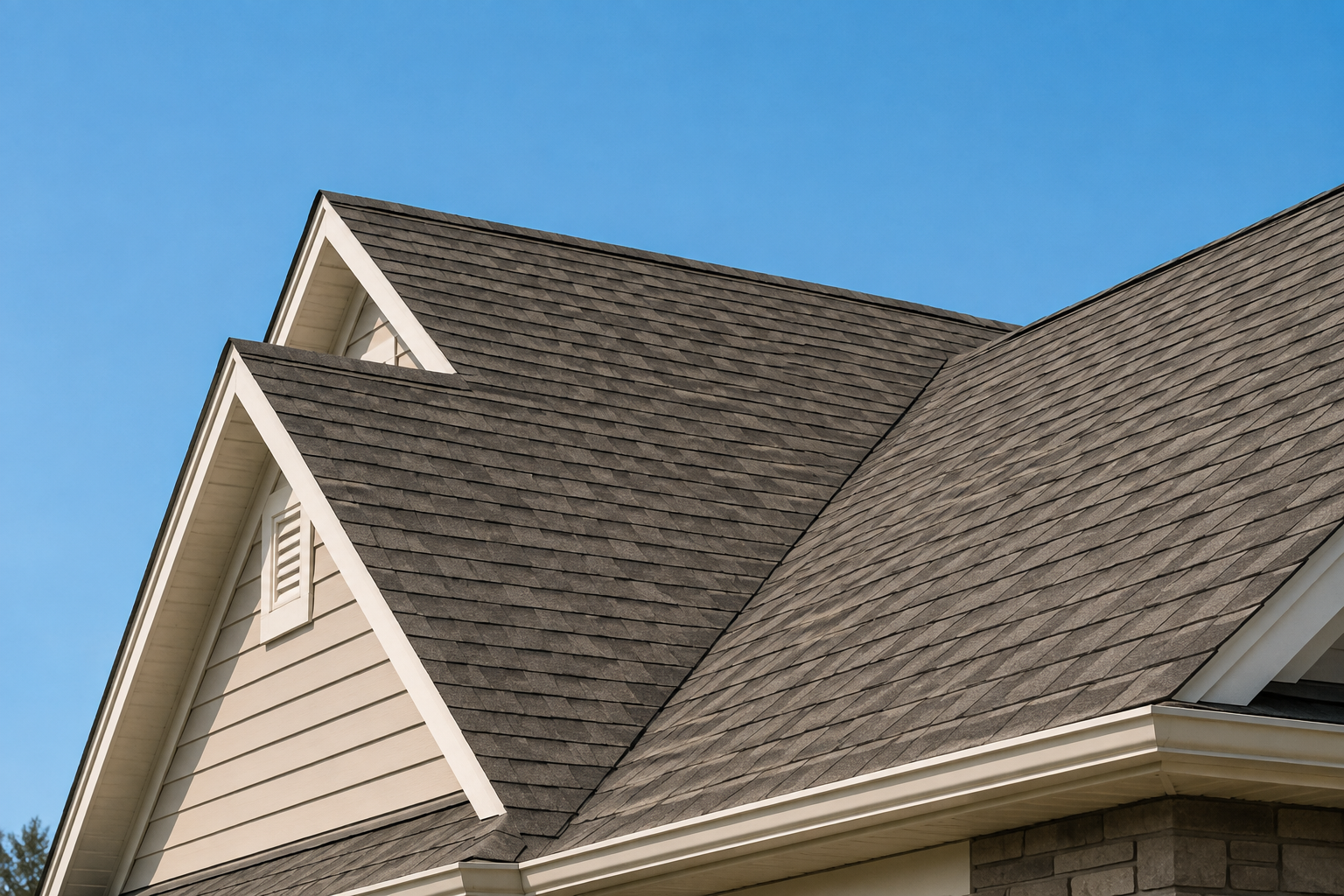
Oklahoma Buyers Should Pay Close Attention to Wind and Hail Coverage
Here’s where the lowest premium isn’t always the least expensive policy to actually own. Most Oklahoma policies carry a separate deductible for wind and hail claims, often expressed as a percentage of your dwelling coverage rather than a flat dollar amount. The Oklahoma Insurance Department specifically warns consumers to check for this, along with cosmetic-damage limitations and other restrictions that can catch buyers off guard.
Here’s why it matters in real numbers: a $300,000 home with a 2% wind/hail deductible means $6,000 out of pocket before coverage applies, a very different reality than a standard $1,000 or $2,500 deductible.
When comparing quotes, ask directly:
- Is there a separate wind and hail deductible?
- Is it a flat amount or a percentage?
- What dollar amount would that percentage actually equal on this home?
- Is cosmetic roof damage covered?
- Are there age-based roof restrictions?
- Would the company pay replacement cost or depreciated value for roof damage?
This is common enough in Oklahoma that it belongs in every quote comparison, not as an afterthought once you’ve already picked a carrier.
One Way to Lower That Cost: The FORTIFIED Roof Grant
Worth knowing about, since it’s newer and a lot of buyers haven’t heard of it yet. Oklahoma’s Strengthen Oklahoma Homes program offers eligible homeowners up to $10,000 toward a FORTIFIED roof upgrade, and certification can meaningfully reduce the wind/hail portion of your premium, real-world average savings have run around $750 a year, with the discount ceiling as high as 42% depending on carrier. It applies to owner-occupied, primary-residence single-family homes only, and requires a homestead exemption on file. Full details are at oid.ok.gov/okready.
Why Oklahoma Quotes Run Higher Than Buyers Expect
Oklahoma homes face regular exposure to wind, hail, tornadoes, and other severe weather, and insurers price accordingly. Roof age and condition, rebuild cost, construction materials, the property’s claims history, your chosen deductibles, and requested coverage limits all factor in. Which means two similar homes can land on noticeably different quotes. A quote from a friend, a previous home, or even a few years ago isn’t a reliable stand-in for what your specific property will cost to insure today.
Shop Around Before Closing
The Consumer Financial Protection Bureau recommends contacting several companies, getting written quotes, and comparing both cost and coverage, and you’re generally free to choose your own insurer as long as the policy meets your lender’s requirements.
When comparing, look past the premium to:
- Dwelling and personal property coverage
- Liability limits
- Standard deductible vs. wind/hail deductible
- Roof settlement terms
- Water or sewer backup coverage
- Replacement-cost provisions
- Claims-handling reputation
A cheaper policy sometimes just means less protection, or a bigger loss you’d absorb yourself later. Bundling home and auto can lower your premium, but it’s still worth comparing the full package rather than assuming the bundle automatically wins.
What About Flood Insurance?
Flood insurance is a completely separate policy from standard homeowners coverage. If your lender determines the property sits in a designated high-risk flood area, separate flood insurance becomes a requirement of the loan. Outside those areas, it’s optional, but optional doesn’t mean impossible. Drainage patterns, nearby creeks, heavy rain, topography, and prior water history can all matter, regardless of official flood zone status.
If flood risk is a real concern for a specific property, worth asking directly: is it in a mapped flood hazard area, will the lender require coverage, has the property or area flooded before, and what would a policy actually cost through the National Flood Insurance Program or a private carrier? A deeper look at Tulsa-area flood zones deserves its own dedicated article. For now, the key point is simply that flood damage is excluded from a standard policy and may need coverage of its own.
Consider Optional Coverages
The right endorsements depend on the property and your household. Worth asking about:
- Water or sewer backup
- Equipment breakdown
- Service-line coverage
- Scheduled jewelry or collectibles
- Higher liability limits
- Earthquake coverage
- Coverage for pools, detached structures, or other special features
Not everyone needs every endorsement. The point of asking is understanding exactly which risks the base policy leaves on your shoulders.
Don’t Wait Until the Final Week
Start gathering quotes soon after you’re under contract, not the week before closing. Starting early gives you room to compare carriers, understand your wind/hail deductible, resolve any questions about the roof, confirm whether flood coverage applies, and get the right documentation to your lender before it becomes a timeline problem.
Some homes are simply harder to insure: an older roof, prior claims, unusual construction, or deferred maintenance can all complicate underwriting. Learning that early gives you options. Learning it two days before closing creates pressure you don’t need.
How Insurance Shows Up in Your Closing Costs
If your loan includes an escrow account, your lender collects insurance premium money at closing as part of your prepaid expenses, separate from your down payment, though both show up in your total funds needed at closing. Your Closing Disclosure and initial escrow statement will spell out exactly what’s being collected. For the fuller picture of prepaid expenses and other buyer charges, see Buyer Closing Costs.
My Approach
I want buyers to understand the real cost of owning a home before closing, not discover it afterward. Once we’re under contract, I encourage gathering insurance quotes early enough to actually compare them, and looking past the premium to the deductible you’d really pay after a wind or hail loss. If a home has an older roof, prior damage, or a flood-prone location, that’s information worth having sooner rather than later.
The goal isn’t just a policy that satisfies the lender. It’s coverage you understand and can genuinely afford to use if something happens.
Frequently Asked Questions
When should I start shopping for homeowners insurance? Shortly after your offer is accepted. Starting early gives you time to compare quotes and work through any property-specific underwriting questions.
Does homeowners insurance cover tornado damage? Wind damage is commonly included, but deductibles, exclusions, and roof restrictions vary. In Oklahoma, ask specifically how a policy handles tornado, wind, and hail claims.
Does homeowners insurance cover flooding? No, standard policies generally exclude flood damage. Separate flood insurance may be required or purchased voluntarily depending on the property’s flood zone status.
Can I choose my own insurance company? Generally, yes, as long as the policy meets your lender’s requirements.
What’s the difference between my regular deductible and my wind/hail deductible? Your standard deductible applies to things like theft or certain water damage. A separate wind/hail deductible applies specifically to wind or hail claims and is often calculated as a percentage of your dwelling coverage rather than a flat amount.
What if I’m paying cash? There’s no lender requiring proof, but arranging coverage effective on your closing date still protects the home from covered losses starting day one.
Continue Your Home Buying Roadmap
Once your inspection, appraisal, insurance, and other under-contract details are in place, closing day starts to feel a lot more real. Next, learn what to check during the final walkthrough before you sign your closing documents.
Next: The Final Walkthrough →

Shannon Almy
REALTOR-ASSOCIATE®
Erin Catron & Company | The Catron Team
Tulsa-area Real Estate Agent with an analytics background. Lifelong Oklahoman, Travel Planner, content creator, furniture restorer, and thrift-store regular.
For Buyers
Latest Tulsa Home Buyer Tips
Buying a home comes with more questions than any one conversation can cover, financing, timing, what’s actually worth negotiating. Here’s honest, straightforward guidance for every stage of the process, from your first pre-approval call to the day you get your keys.
-
Should I Buy in an HOA? The Rules, Costs, and Responsibilities That Come With the House
HOME BUYING ROADMAP • HOA CONSIDERATIONS Should I Buy a Home in an HOA? The Rules, Costs, and Responsibilities That Come With the House “Should I buy in an HOA?” is one of those questions…
-
Title Insurance and Title Work: What You’re Actually Paying For
HOME BUYING ROADMAP • TITLE INSURANCE Title Insurance and Title Work: What You’re Actually Paying For Why “The House Looks Fine” Isn’t the Same as “The Ownership Is Clean” By the time you’re under contract,…
-
Offer Strategies: How to Write a Strong Offer
HOME BUYING ROADMAP • OFFER STRATEGIES Offer Strategies: How to Write a Strong Offer Price Is Only One Part of the Equation When buyers hear “write a strong offer,” most immediately think about price, offering…


More Home Buying Tips
Your Monthly Guide To Tulsa Real Estate & Local Life
Stay Connected To What’s Happening Across Tulsa
From market trends and neighborhood updates to local events, new restaurants, and community news, receive a monthly roundup of what’s happening throughout Tulsa and Green Country.
Whether you’re actively buying or selling, planning a move in the future, or simply enjoy staying connected to the community, our newsletter brings together local real estate insights and the stories shaping life across northeastern Oklahoma.
✓ Tulsa market updates
✓ Community spotlights
✓ New restaurants and businesses
✓ Open houses and local events
✓ Neighborhood and development news
Market Reports & Local Life
WHEREVER YOU ARE IN THE PROCESS
Let’s Talk About Your Goals
Whether you’re buying, selling, relocating, or simply planning ahead, every successful move starts with a conversation and a clear strategy.
I’d love to learn more about your goals and how I can help you navigate your next move with confidence.
Shannon Almy
REALTOR-ASSOCIATE®”
The Catron Team
Phone
918-206-9285
5334 East 43th Street
Tulsa, OK 74135


Leave a Reply