
HOME BUYING ROADMAP • HOME INSPECTION
Understanding the Home Inspection
What the Inspection Can Reveal, and How to Use That Information to Make a Better Decision




For many buyers, the home inspection is one of the most anticipated parts of the process. It’s also one of the most misunderstood.
Some buyers expect the inspector to tell them whether they should buy the house. Others assume finding problems automatically means they should walk away. In reality, the inspection has a much simpler purpose: helping you understand the actual condition of the home before closing.
No home is perfect, not even a brand-new one. The goal was never to find a flawless house. It’s to gather enough information to make an informed decision on one of the biggest purchases of your life.

What Is a Home Inspection?
A home inspection is a visual evaluation of the home’s major systems and readily accessible components. Depending on the property, inspectors commonly evaluate:
- Roof
- Foundation
- Plumbing
- Electrical system
- Heating and air conditioning
- Attic and insulation
- Windows and doors
- Appliances
- Exterior grading and drainage
- Garage doors
- Built-in safety features
Inspectors aren’t guaranteeing the home’s future condition. They’re documenting what they observe on the day of the inspection, nothing more, nothing less.
In Oklahoma, the Inspection Period Is an Important Buyer Protection
The inspection itself is only part of the picture. In Oklahoma, your purchase contract includes an inspection period, a window where you can investigate the property, review findings, bring in additional evaluations if needed, and decide whether you’re comfortable moving forward.
This period isn’t limited to what’s in the inspection report. It’s also your chance to learn more about the property and the area around it:
- Visit the neighborhood at different times of day
- Check traffic patterns
- Listen for noise
- Look at drainage after a rain
- Research insurance availability
- Review property boundaries or easements
- Investigate anything else that could affect your decision
Sometimes buyers uncover an expensive repair. Sometimes they discover the neighbor practices drums at 10 p.m. Either one can change how comfortable someone feels about the home, and both are exactly what this period is for.
Keeping track of these contract deadlines is one of my jobs as your buyer’s agent, so you can focus on making good decisions instead of worrying about missing an important date.

The Report Can Feel Overwhelming – Here’s Why That’s Normal
One of the biggest surprises for first-time buyers is the sheer length of the inspection report. A 40- to 80-page report with dozens of photos isn’t unusual, and that can feel intimidating at first glance.
Here’s something worth knowing before you open it: even exceptionally well-maintained homes often generate long reports. Most items listed are maintenance recommendations or observations, not major defects. The length of the report matters far less than what’s actually inside it.
Focus on the Big Picture, Not the Item Count
Instead of counting how many things are listed, ask questions that actually matter:
- Are there any structural concerns?
- Is the roof nearing the end of its useful life?
- Are the heating and air systems functioning properly?
- Are there significant plumbing or electrical concerns?
- Are there any safety issues?
- Are there repairs that should be addressed before closing?
A report with sixty minor maintenance items can represent far less real risk than one with two major foundation problems. Volume isn’t the same thing as severity.
Sometimes More Investigation Is Needed
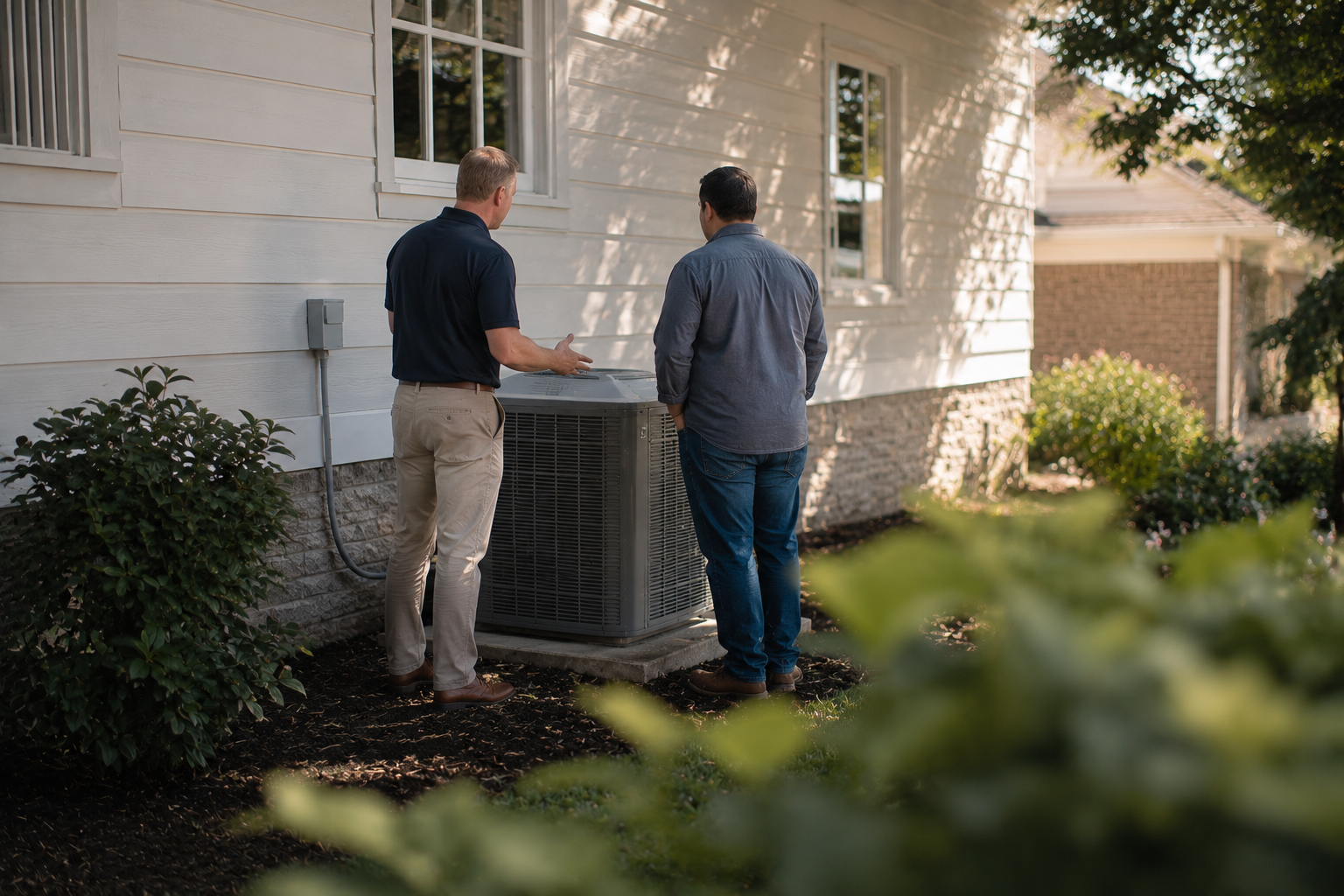
A general home inspector evaluates a wide range of systems, but they’re not expected to be a specialist in every trade. Occasionally the inspection uncovers something that deserves a closer look from:
- A structural engineer, for foundation movement
- An HVAC contractor, for heating or cooling concerns
- A licensed electrician or plumber
- A roofing contractor
- A chimney specialist
- A pool professional
- A pest control company
A recommendation for further evaluation doesn’t automatically mean something is seriously wrong. It just means the inspector found something outside the scope of a general inspection that’s worth a second, more specialized look before you decide.
Some Inspection Findings Can Affect Certain Loan Programs
The inspection and the appraisal serve two different purposes. The inspection is for you. The appraisal is for your lender. But some conditions an inspector notices may also catch an appraiser’s attention, and this matters more for certain loan programs than others, including VA financing.
Conditions like these can sometimes need to be addressed before a loan closes, depending on the loan program:
- Exposed electrical hazards
- Active roof leaks
- Peeling paint on older homes
- Missing handrails
- Other safety hazards
- Wood-destroying insect damage
- Conditions affecting the property’s safety or livability
Your home inspector isn’t performing an appraisal and can’t tell you exactly what an appraiser will require. But catching these issues early usually gives you and the seller more time to work out a solution before it becomes a closing-day problem.
Not Every Item Needs to Be Repaired
Inspection reports routinely include things like:
- Loose doorknobs
- Missing caulk
- Minor drywall cracks
- Burned-out light bulbs
- Worn weatherstripping
- General cosmetic wear
None of these automatically mean the seller should fix them. Part of reviewing the report well is separating routine homeownership maintenance from the concerns that genuinely affect safety, function, value, or your comfort level.
Questions I Encourage Buyers to Ask
After reading the report, resist jumping straight to “what should we ask the seller to fix?” Ask these instead:
- Would I still buy this home knowing what I know now?
- Which findings are simply part of owning any home?
- Which issues actually concern me?
- Should we bring in a specialist?
- Could any of this affect my financing?
- If the seller says no to every repair request, am I still comfortable moving forward?
Those questions consistently lead to better decisions than counting defects ever does.
What Happens After the Inspection?
Depending on the findings and your comfort level, a few paths are typically available:
- Move forward with the purchase as-is
- Request repairs or treatments
- Request a credit or concession
- Get additional inspections
- Continue negotiating
- Decide you’re no longer comfortable moving forward, during the inspection period
Every transaction is different. The goal was never simply to keep the deal together. It’s helping you make the right decision for you, whatever that turns out to be.
My Approach
After the inspection, we’ll review the report together and talk through:
- Which findings are routine maintenance
- Which concerns deserve more attention
- Whether a specialist should take a closer look
- Whether anything could affect your financing
- Whether repair requests make sense
- Most importantly, whether you’re still comfortable moving forward
Sometimes the report confirms you’ve found a great home. Sometimes it uncovers something worth negotiating. And occasionally, it reveals enough uncertainty that walking away is the right call.
I don’t measure success by whether every contract closes. I measure it by whether you feel good about the decision years from now.
Frequently Asked Questions
Can a home fail an inspection? No. A home inspection isn’t pass-or-fail. It’s simply an evaluation of the home’s condition.
Should I attend the inspection? If your schedule allows, I usually recommend attending at least part of it. You’ll pick up valuable things along the way: how the home’s systems work, where important shutoffs are located, and what routine maintenance to expect.
Should I ask the seller to fix everything? Usually not. Most homes have minor maintenance items. It’s generally more productive to focus on significant concerns, safety issues, major systems, or anything that could affect financing.
What if the inspection finds major problems? That’s exactly why the inspection period exists. It gives you room to gather information, bring in additional expert opinions if needed, and decide whether you’re still comfortable moving forward.
Continue Your Home Buying Roadmap
Next, learn what happens after the inspection when your lender orders an appraisal.
Next: Understanding the Home Appraisal →
Still working through earlier stages? Revisit Touring Homes with a Critical Eye or Neighborhood Research, or head back to the Home Buying Roadmap to see the full sequence.
Ready for the next step?
Curious what it’s like to tour homes together? My Buying a Home page explains what it’s like to work together.

Shannon Almy
REALTOR-ASSOCIATE®
Erin Catron & Company | The Catron Team
Tulsa-area Real Estate Agent with an analytics background. Lifelong Oklahoman, Travel Planner, content creator, furniture restorer, and thrift-store regular.
For Buyers
Latest Tulsa Home Buyer Tips
Buying a home comes with more questions than any one conversation can cover, financing, timing, what’s actually worth negotiating. Here’s honest, straightforward guidance for every stage of the process, from your first pre-approval call to the day you get your keys.
-
Should I Buy in an HOA? The Rules, Costs, and Responsibilities That Come With the House
HOME BUYING ROADMAP • HOA CONSIDERATIONS Should I Buy a Home in an HOA? The Rules, Costs, and Responsibilities That Come With the House “Should I buy in an HOA?” is one of those questions…
-
Title Insurance and Title Work: What You’re Actually Paying For
HOME BUYING ROADMAP • TITLE INSURANCE Title Insurance and Title Work: What You’re Actually Paying For Why “The House Looks Fine” Isn’t the Same as “The Ownership Is Clean” By the time you’re under contract,…
-
Offer Strategies: How to Write a Strong Offer
HOME BUYING ROADMAP • OFFER STRATEGIES Offer Strategies: How to Write a Strong Offer Price Is Only One Part of the Equation When buyers hear “write a strong offer,” most immediately think about price, offering…


More Home Buying Tips
Your Monthly Guide To Tulsa Real Estate & Local Life
Stay Connected To What’s Happening Across Tulsa
From market trends and neighborhood updates to local events, new restaurants, and community news, receive a monthly roundup of what’s happening throughout Tulsa and Green Country.
Whether you’re actively buying or selling, planning a move in the future, or simply enjoy staying connected to the community, our newsletter brings together local real estate insights and the stories shaping life across northeastern Oklahoma.
✓ Tulsa market updates
✓ Community spotlights
✓ New restaurants and businesses
✓ Open houses and local events
✓ Neighborhood and development news
Market Reports & Local Life
WHEREVER YOU ARE IN THE PROCESS
Let’s Talk About Your Goals
Whether you’re buying, selling, relocating, or simply planning ahead, every successful move starts with a conversation and a clear strategy.
I’d love to learn more about your goals and how I can help you navigate your next move with confidence.
Shannon Almy
REALTOR-ASSOCIATE®”
The Catron Team
Phone
918-206-9285
5334 East 43th Street
Tulsa, OK 74135


Leave a Reply