
HOME BUYING ROADMAP • HOME WARRANTIES
Are Home Warranties Worth It?
What They Actually Cover, What They Cost, and How to Decide





Throughout this article, you’ll see me use two terms for the same thing: home warranty, the phrase almost everyone actually uses, and residential service agreement, the more formal term you’ll often see written into an Oklahoma purchase contract. Same product, two names. Worth knowing both, since one is what you’ll say out loud and the other is what you’ll see in writing.
Either way, it’s not insurance, and it’s not a guarantee that nothing will ever break. It’s a service contract that covers the repair or replacement of specific home systems and appliances when they fail from normal wear and tear.
Whether it’s worth adding to your purchase depends entirely on the math for your specific situation, so let’s walk through what it actually does before you decide if it fits.
What Is a Home Warranty, Really?
Think of it less like insurance and more like an appliance service plan for your entire house. You pay an annual (or monthly) premium, and in exchange, the company covers repair or replacement costs on the systems and appliances listed in your plan, minus a service call fee each time someone comes out.
This is genuinely different from homeowners insurance, and the distinction matters:
- Homeowners insurance covers sudden, accidental damage, fire, storms, theft, a tree through the roof.
- A home warranty covers gradual breakdown from normal wear and tear, the water heater that finally gives out, the AC compressor that dies in July.
One protects against disaster. The other protects your budget against ordinary mechanical failure.
What Does It Typically Cover?
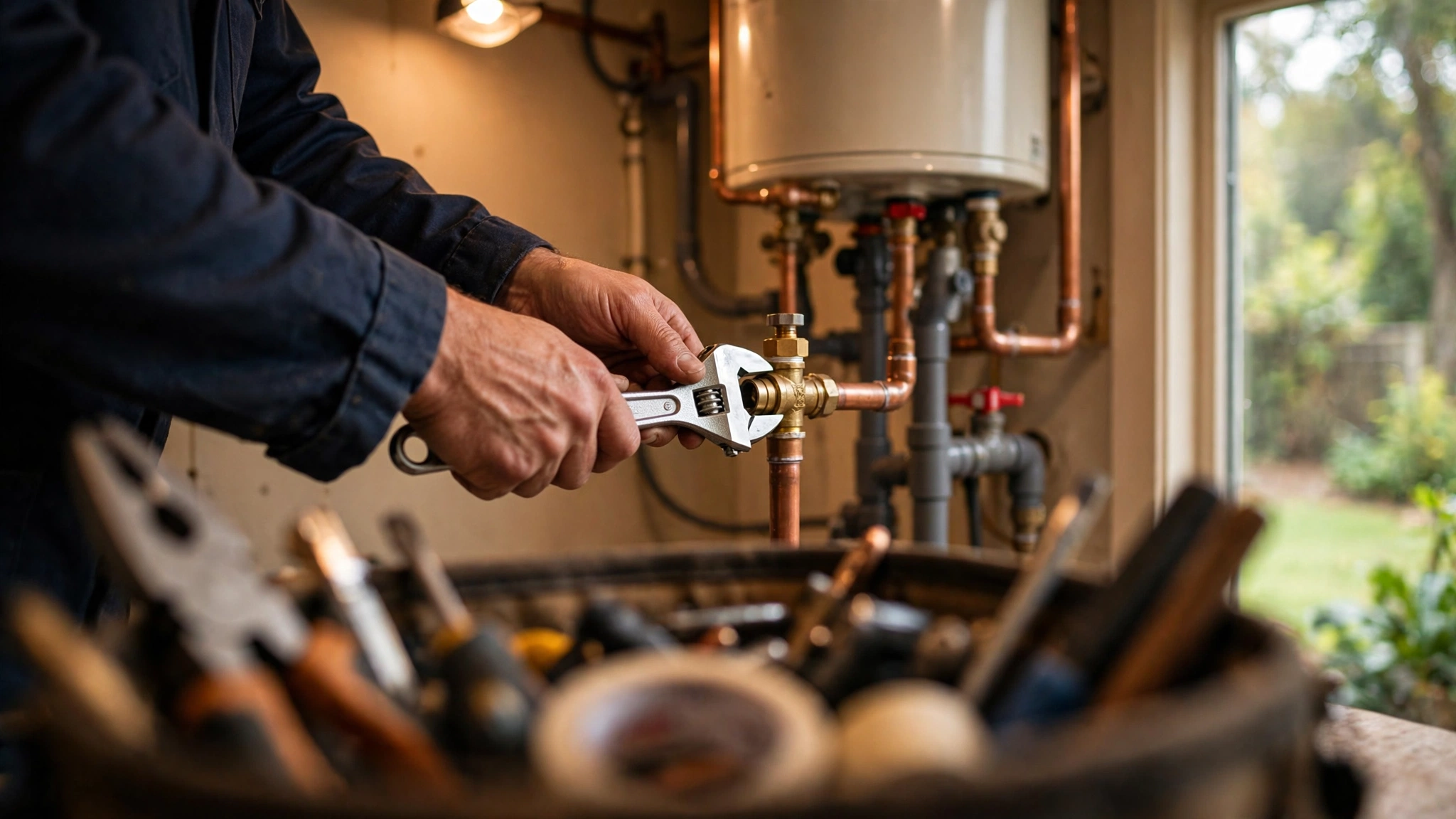
Coverage varies by provider and plan tier, but most standard plans include some combination of:
- HVAC systems (heating and air conditioning)
- Water heater
- Plumbing system
- Electrical system
- Kitchen appliances, oven, range, dishwasher, built-in microwave
- Washer and dryer, on some plans
- Garage door opener
Higher tiers or add-ons often extend to pools, well pumps, septic systems, or a second refrigerator, genuinely useful if your home has one of those, and genuinely a waste if it doesn’t.
What It Doesn’t Cover
This is where a lot of buyers get surprised, so it’s worth knowing upfront:
- Pre-existing conditions, if something was already broken or improperly installed before the plan started, it’s typically excluded (though a handful of providers will cover unknown pre-existing conditions, worth asking about directly)
- Code violations, if a repair requires bringing something up to current code, that portion often isn’t covered
- Improper maintenance, a system that failed because it was never serviced can be denied
- Cosmetic issues, a scratched appliance surface isn’t a mechanical failure
- Items beyond coverage limits, more on this below
None of this makes the coverage bad. It just means “covered” doesn’t mean “unlimited,” and reading the actual contract terms matters more than the marketing brochure.
How Repairs Usually Work
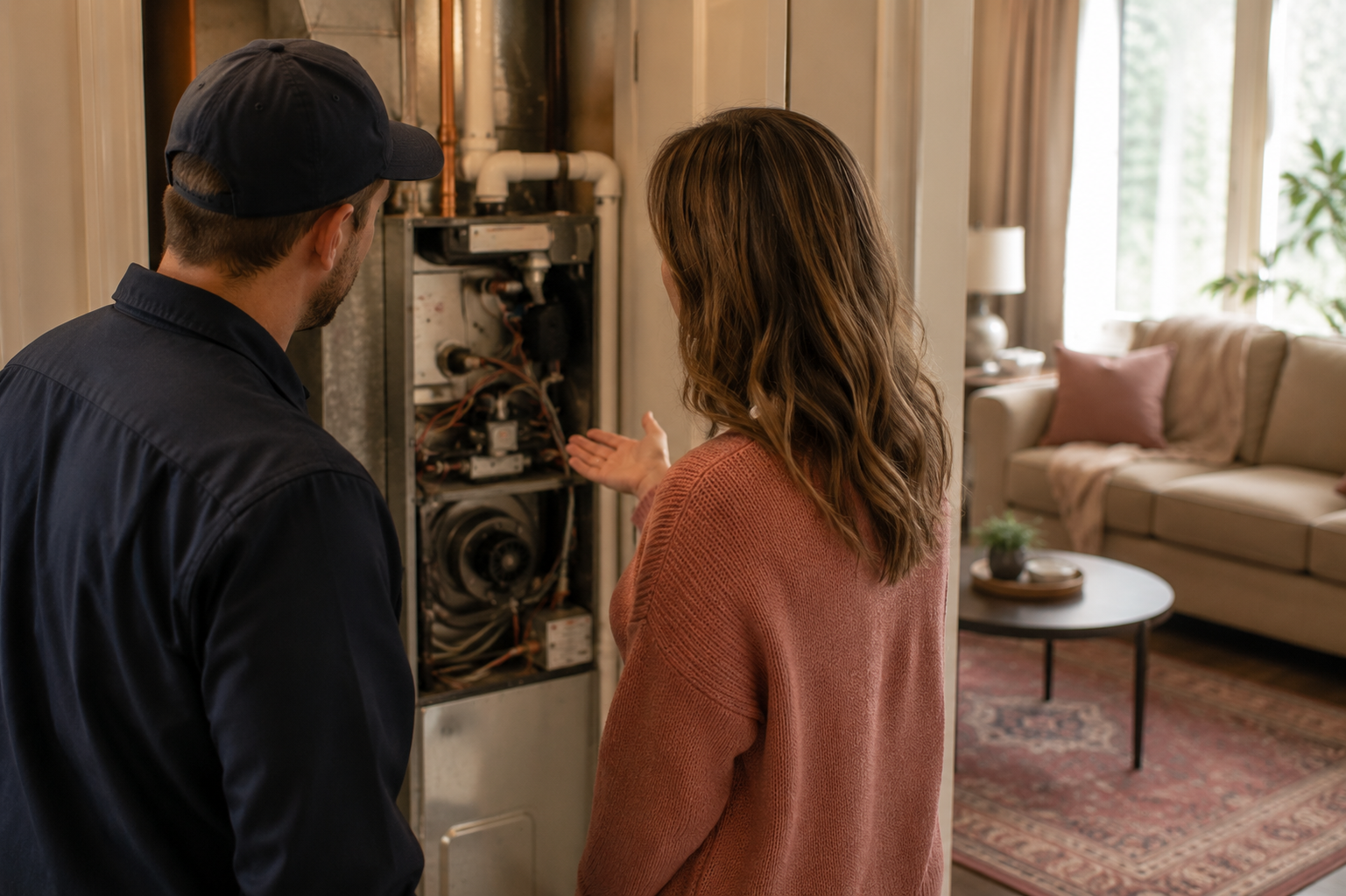
Here’s something that catches buyers off guard: with most providers, you don’t call your own contractor and submit a receipt for reimbursement. You contact the warranty company, they assign a technician from their approved network, that technician diagnoses the problem, and the company decides whether it’s covered.
This is where it’s worth knowing that providers don’t all work the same way. Most operate on that network-assignment model, and it’s one of the more common complaints. People expect to call their usual HVAC guy and find out they can’t. A handful of providers, take the opposite approach and let you choose your own licensed contractor instead.
Repair vs. Replacement
Another common misconception: a covered breakdown doesn’t automatically mean you get a brand-new appliance or system. If your furnace dies, the plan may replace it, or it may repair the specific failed component, like a blower motor, if that’s the more economically practical fix. Many plans are built to repair first and replace only when repair isn’t reasonable. Which outcome you get depends on the terms of your agreement and the specifics of the failure, not just on how old the unit happens to be.
Understanding Claim Limits
Beyond exclusions, most plans also cap what they’ll actually pay out. Worth knowing the different kinds of limits you might run into:
- Per-claim limits, a maximum payout for any single repair
- Per-appliance or per-system limits, a maximum for that specific item over the life of the plan
- Annual limits, a total cap across all claims in a given year
- Excluded components, specific parts within an otherwise-covered system that aren’t included
A repair that exceeds any of these caps becomes your responsibility for the difference. This is exactly why reading the actual contract, not just the coverage summary, matters more here than with almost any other homebuying expense.
What Does It Actually Cost?
Here’s a number to anchor your expectations: most home warranties run $350 to $900 per year in premium, depending on your coverage tier, home size, and provider. On top of that, expect a service call fee of roughly $75 to $125 every time a technician comes out, whether or not the issue turns out to be covered.
That service call fee matters more than people expect. If you file two claims in a year at $100 each, your real annual cost is your premium plus $200, not just the premium on the brochure.
Who Pays, You or the Seller?
Either one, depending on how your offer is structured. If you’d like a plan and choose to purchase it yourself, it’s typically paid as part of your closing costs. If a seller agrees to provide one as part of your offer, they cover it at closing instead, and this is a common seller concession, especially on older homes where a buyer might feel uneasy about aging systems.
Whether to ask for one, and whether it makes sense for your specific home, is worth a quick conversation before you write your offer.

When a Home Warranty Makes the Most Sense
In my experience, these plans tend to earn their keep when:
- Several major systems are older but still functioning
- You’re stretching financially to purchase the home and would rather have predictable repair costs during your first year than an unpredictable one
- The seller is willing to pay for the plan as part of the transaction
- You don’t yet have a dedicated home repair fund built up
They tend to provide less value when:
- Most systems are brand new
- Existing manufacturer or builder warranties are still in effect
- You’re comfortable covering repairs out of pocket if and when they happen
There’s no universally right answer here. It genuinely depends on the age and condition of what’s already in the home, which is why this is worth discussing home-by-home rather than defaulting to “always get one” or “never bother.”
My Approach
Unless a home is new enough to still be covered under a builder’s warranty, I offer every buyer the option of a home warranty as a standard part of our conversation, not because everyone needs one, and never because I’ll make anyone buy one, but because I’ve seen too many new homeowners get blindsided by a plumbing issue or a failed system in their first few months. Sometimes the fix turns out to be minor and inexpensive. Sometimes it isn’t. Either way, having the option on the table before you close is a lot better than wishing you had it after something breaks.
A home warranty also isn’t a substitute for having an emergency repair fund of your own. Even with a solid plan in place, there can be service fees, coverage limits, excluded components, or repairs that simply aren’t covered. Whether you end up purchasing a plan or not, it’s still worth setting aside money for the unexpected. A home warranty softens the risk, it doesn’t erase it.
The goal is making sure you have the option in front of you, then letting you decide what’s right for your situation.
Frequently Asked Questions
Is a residential service agreement the same as a home warranty? Yes, “home warranty” is the phrase almost everyone uses in conversation, and “residential service agreement” is the more formal term you’ll typically see written into the actual contract.
Do I get to pick my own contractor? It depends on the provider. Most assign a technician from their approved network, though a few, like Achosa, let you choose your own licensed contractor instead. Worth confirming directly with any provider you’re considering.
Can I buy one after closing if I skip it now? Usually, yes. Most providers sell plans anytime, not just at closing, though the price and terms may differ slightly from a purchase-time offer.
Does a home warranty replace homeowners insurance? No. They cover different things entirely, and most lenders require homeowners insurance regardless of whether you also have a warranty in place.
What happens if a repair costs more than the coverage limit? You’re responsible for the difference beyond whatever cap your plan specifies for that item.
Continue Your Home Buying Roadmap
Curious how this fits into your overall closing costs? Revisit Buyer Closing Costs for the full picture, or head back to the Home Buying Roadmap to see where you are in the process.

Shannon Almy
REALTOR-ASSOCIATE®
Erin Catron & Company | The Catron Team
Tulsa-area Real Estate Agent with an analytics background. Lifelong Oklahoman, Travel Planner, content creator, furniture restorer, and thrift-store regular.
For Buyers
Latest Tulsa Home Buyer Tips
Buying a home comes with more questions than any one conversation can cover, financing, timing, what’s actually worth negotiating. Here’s honest, straightforward guidance for every stage of the process, from your first pre-approval call to the day you get your keys.
-
Should I Buy in an HOA? The Rules, Costs, and Responsibilities That Come With the House
HOME BUYING ROADMAP • HOA CONSIDERATIONS Should I Buy a Home in an HOA? The Rules, Costs, and Responsibilities That Come With the House “Should I buy in an HOA?” is one of those questions…
-
Title Insurance and Title Work: What You’re Actually Paying For
HOME BUYING ROADMAP • TITLE INSURANCE Title Insurance and Title Work: What You’re Actually Paying For Why “The House Looks Fine” Isn’t the Same as “The Ownership Is Clean” By the time you’re under contract,…
-
Offer Strategies: How to Write a Strong Offer
HOME BUYING ROADMAP • OFFER STRATEGIES Offer Strategies: How to Write a Strong Offer Price Is Only One Part of the Equation When buyers hear “write a strong offer,” most immediately think about price, offering…


More Home Buying Tips
Your Monthly Guide To Tulsa Real Estate & Local Life
Stay Connected To What’s Happening Across Tulsa
From market trends and neighborhood updates to local events, new restaurants, and community news, receive a monthly roundup of what’s happening throughout Tulsa and Green Country.
Whether you’re actively buying or selling, planning a move in the future, or simply enjoy staying connected to the community, our newsletter brings together local real estate insights and the stories shaping life across northeastern Oklahoma.
✓ Tulsa market updates
✓ Community spotlights
✓ New restaurants and businesses
✓ Open houses and local events
✓ Neighborhood and development news
Market Reports & Local Life
WHEREVER YOU ARE IN THE PROCESS
Let’s Talk About Your Goals
Whether you’re buying, selling, relocating, or simply planning ahead, every successful move starts with a conversation and a clear strategy.
I’d love to learn more about your goals and how I can help you navigate your next move with confidence.
Shannon Almy
REALTOR-ASSOCIATE®”
The Catron Team
Phone
918-206-9285
5334 East 43th Street
Tulsa, OK 74135


Leave a Reply