
Tulsa Home Appraisal Guide
What Does an Appraiser Actually Look At?
(And What the “Tulsa Lean” Has to Do With It)




If you’ve sold a home before, you know the moment: your buyer’s loan is moving along, then a stranger with a clipboard shows up to walk through your house for less time than it takes to watch a sitcom, and a few days later, a number comes back that can make or break the deal.
Here’s what’s actually happening during that visit, and why it matters more than most sellers realize.
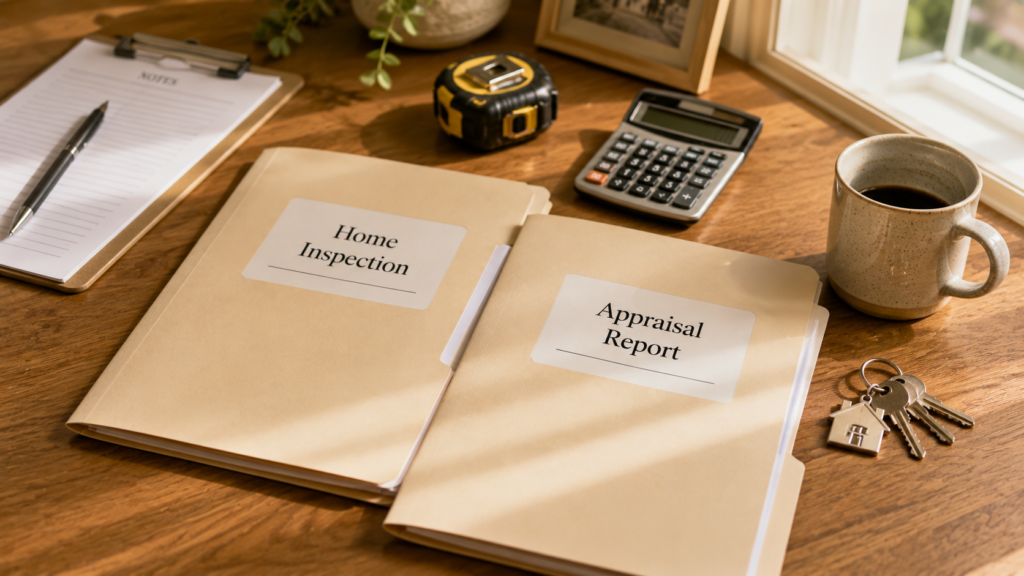
An appraisal isn’t the same thing as an inspection
This trips people up constantly. A home inspection is for the buyer, it evaluates the home’s condition so they know what they’re getting into. An appraisal is for the lender, it exists to confirm the home is actually worth what everyone agreed to pay, so the bank isn’t lending more money than the property could realistically resell for if something went wrong. Different purpose, different person, different report.
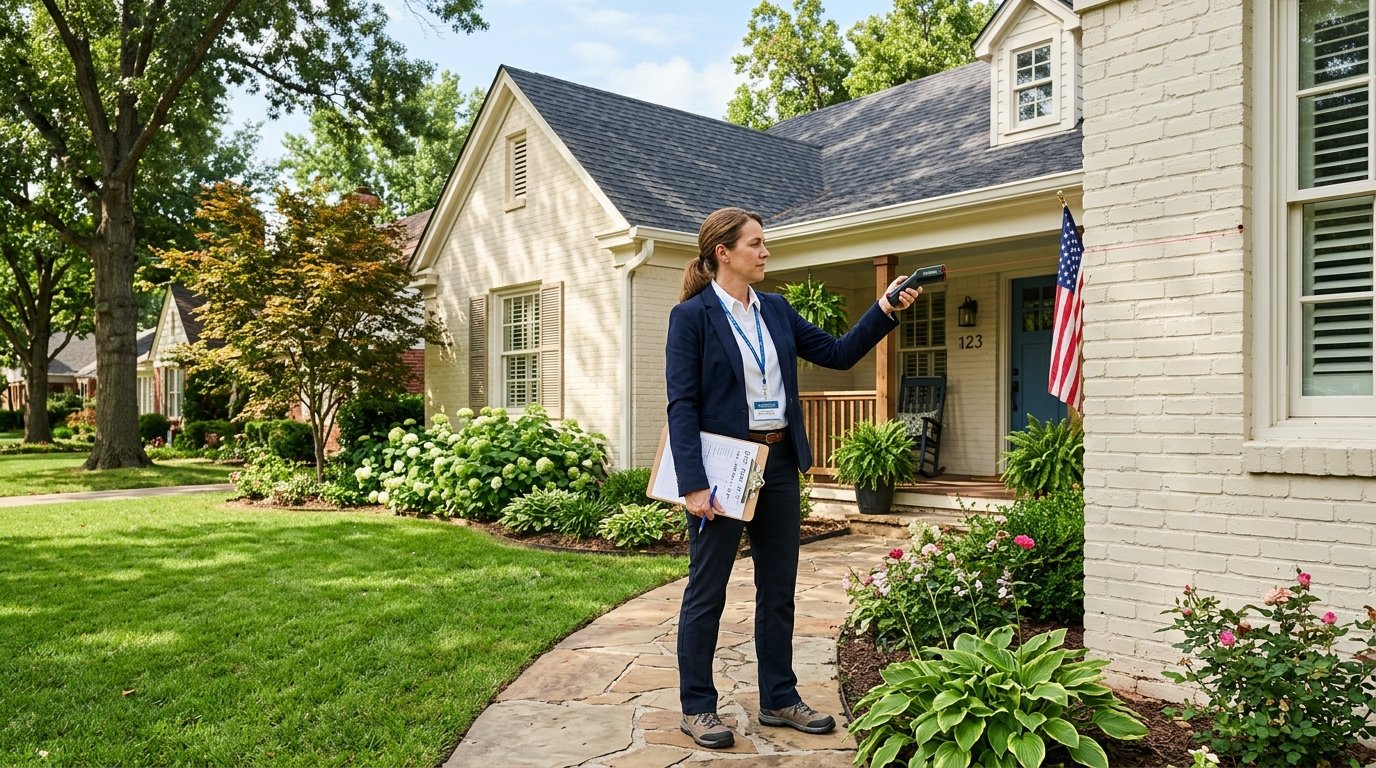
What the appraiser is physically looking at
During a typical 30-minute-to-two-hour visit, the appraiser is documenting:
- Structural condition – the roof, foundation, exterior walls, windows, and major systems like plumbing, electrical, and HVAC
- Square footage, measured directly, not just pulled from an old listing
- Layout and functionality – bedroom and bathroom count, how they’re configured relative to each other, ceiling heights, garage space, and how usable the floor plan feels for a typical buyer today
- Visible safety issues or deferred maintenance – moisture problems, obvious disrepair, anything that would concern a lender
- The lot and site itself, not just the structure on it
One thing worth knowing: the appraiser isn’t scoring your staging. A well-placed throw pillow or a beautifully set dining table doesn’t move the number. Permanent features do.
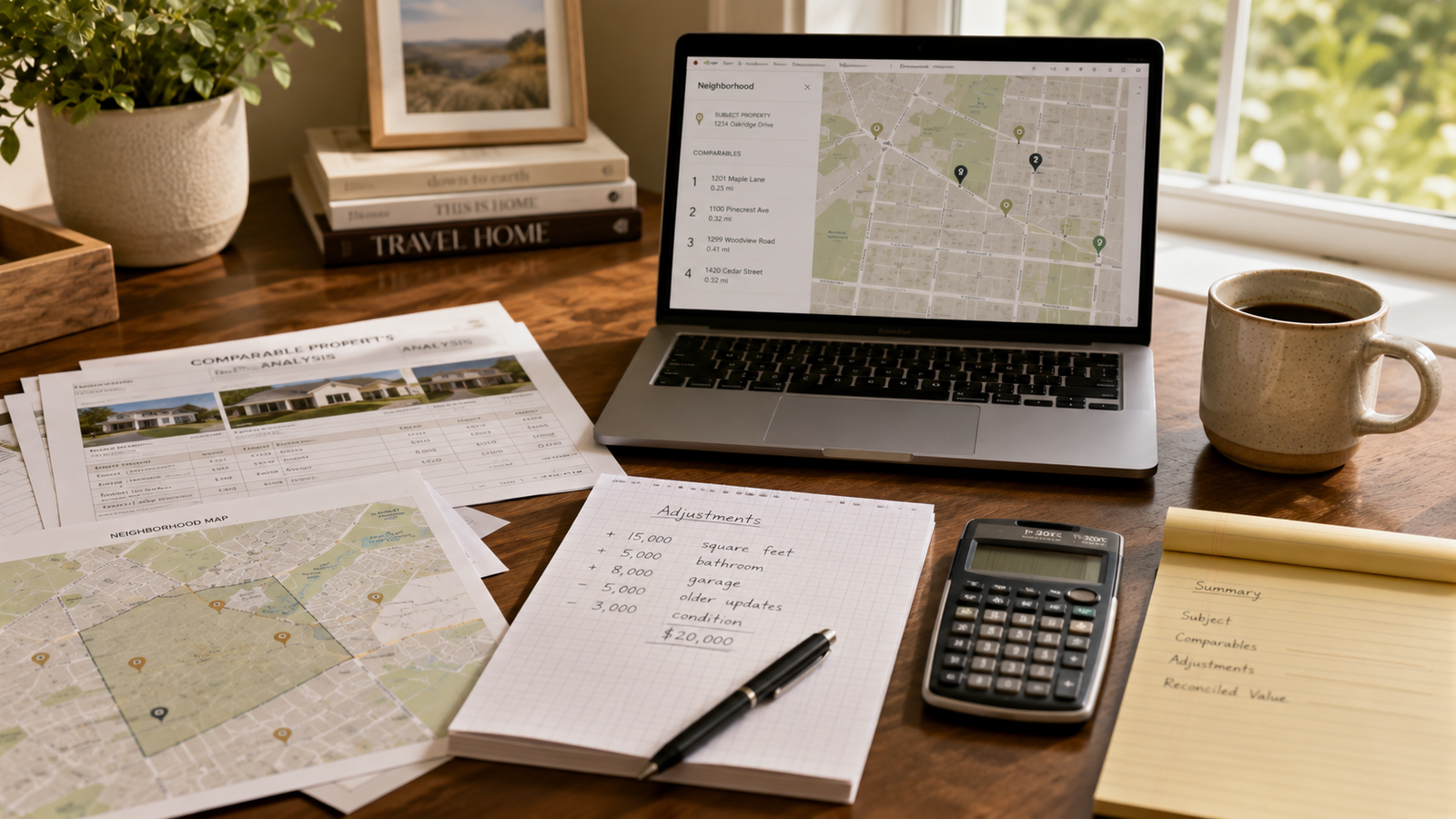
Then they compare your home to recent sales, not the market in general
This is the part that actually determines the number. Appraisers look for at least three comparable sales, homes similar in size, age, style, and condition, that sold recently and nearby, typically within the last several months and close by geographically. Your home isn’t valued in a vacuum; it’s valued against what buyers have actually paid for homes like yours, recently, near you.
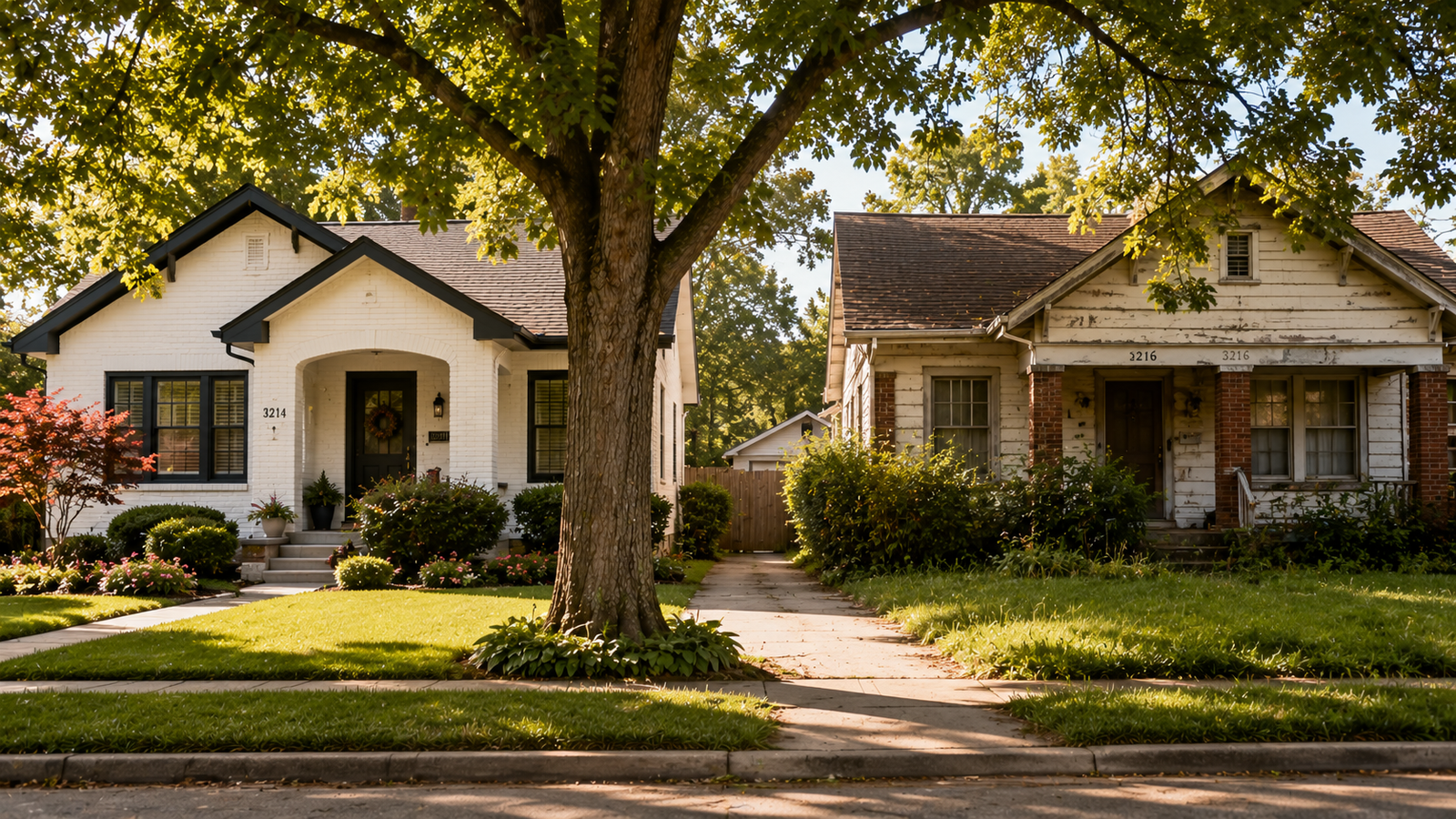
Maintenance protects your value. Upgrades can add to it. Those are two different things.
This distinction matters, and it’s the same one that came up in the last renovation post: fixing a leaking roof or a broken water heater prevents an appraiser from knocking value off your home. It doesn’t typically add value beyond that. A genuine upgrade, a real kitchen refresh, a finished space that wasn’t usable before, is what can actually move the number upward. Both matter, but they’re not interchangeable, and it’s worth knowing which one you’re doing before you spend money expecting it to boost your appraisal. If you’re deciding where to spend your renovation budget before selling, our article on which home improvements are actually worth the investment can help.
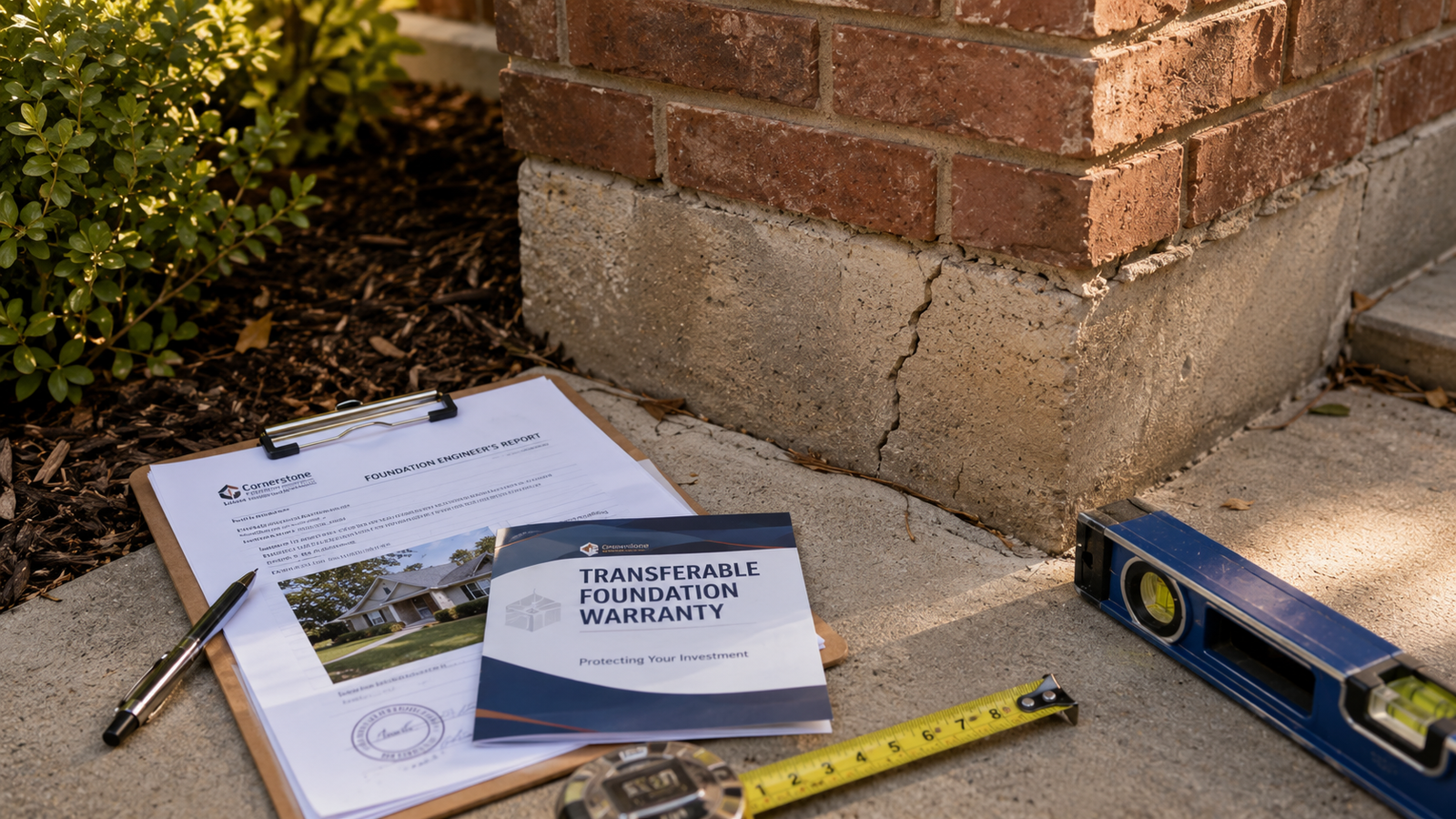
One thing that’s especially relevant here: foundation movement
If you’ve lived in this area a while, you already know the phrase “Tulsa Lean.” Much of the metro sits on expansive clay soil that swells when it’s wet and shrinks when it’s dry, and that constant movement is exactly what causes the small foundation cracks, sticking doors, and sloped floors that show up in so many local homes, new construction included, not just older ones.
This matters at appraisal time because foundation issues can meaningfully affect the number, sometimes by a significant percentage, and appraisers around here are used to seeing it. That’s actually a piece of good news buried in the bad news: minor foundation movement isn’t the red flag locally that it might be somewhere without expansive soil, buyers, agents, and appraisers alike expect to see some of it. What matters most is documentation. If you’ve had any repair work done, a transferable warranty, an engineer’s report, receipts, that paperwork does real work at appraisal time, since it tells the appraiser this was addressed professionally rather than left as an open question.
If you’re not sure whether something you’re seeing is normal settling or something that needs a closer look, that’s worth a professional opinion before you list, not after an appraiser flags it.
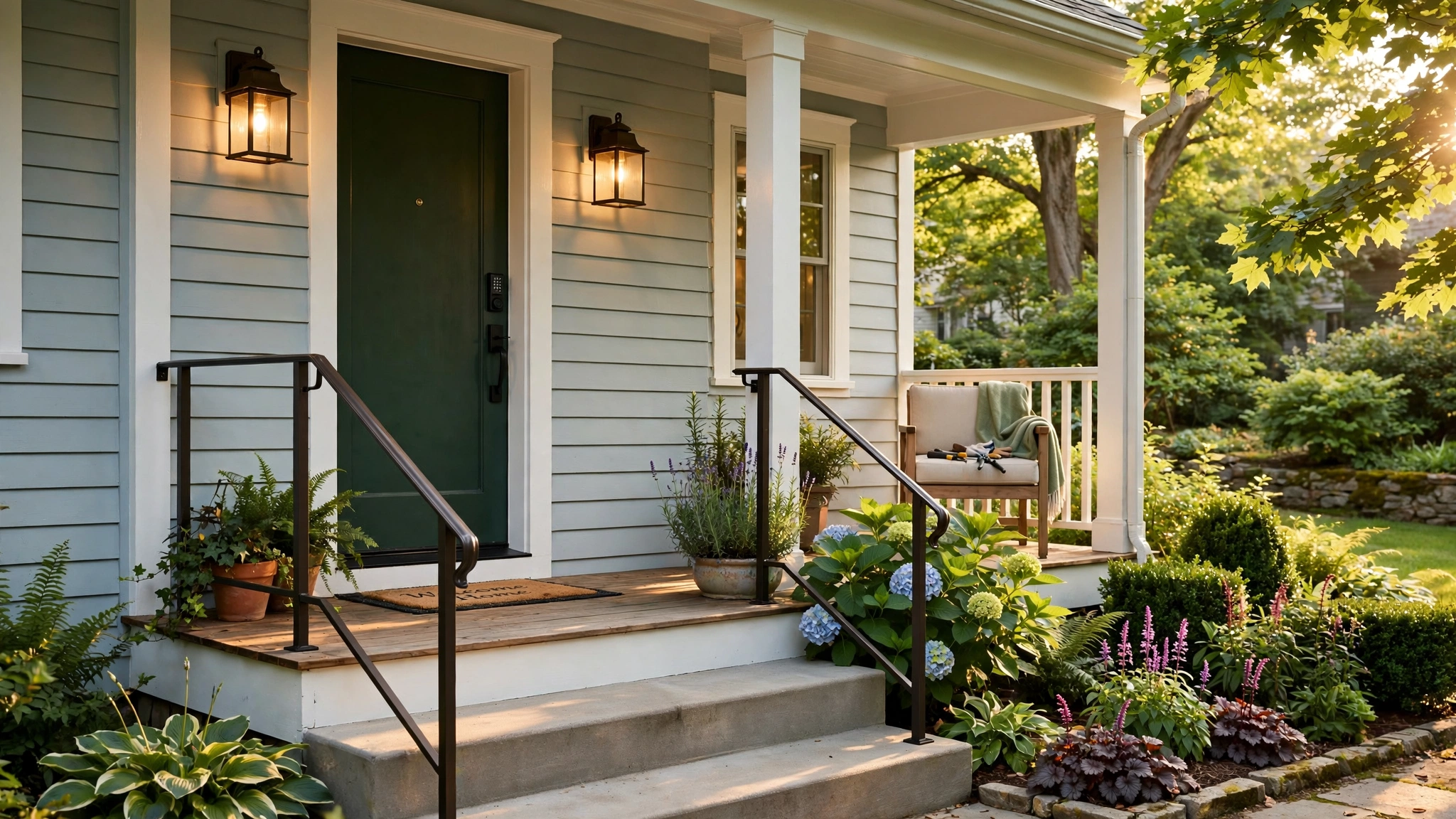
If it’s a government-backed loan, there’s an extra layer
FHA, VA, and USDA loans come with minimum property standards on top of the value question, the appraiser is also confirming the home is safe and habitable, not just worth what you’re asking. This can occasionally surface a requirement (a handrail, an exposed wire, a safety issue) that a conventional appraisal wouldn’t have flagged at all.

What happens if the appraisal comes in low
This is the scenario every seller worries about, and it does happen. If the appraised value comes in under the agreed sale price, the buyer’s lender won’t finance the full amount, and that gap has to get resolved somehow: the buyer covers the difference in cash, the price gets renegotiated, or occasionally the deal falls apart entirely. It’s not a reflection of your home being “wrong,” it’s a reflection of what comparable sales actually support at that moment. This is exactly the kind of situation where having pulled accurate comps before you ever listed pays off. If you’re wondering how pricing decisions are made before your home ever reaches the market, read our guide to selling your home in the Tulsa area.
The bottom line
You can’t control who your appraiser is or exactly how they’ll read your home. What you can control: keeping up with real maintenance, being upfront about genuine upgrades versus repairs, documenting anything foundation-related, and pricing your home against what’s actually sold nearby rather than what you hope it’s worth. That last part is where a good agent and an appraiser are actually looking at the same data, and it’s a big part of why pricing accurately from the start avoids surprises down the line.
If you’re getting ready to sell and want a realistic read on where your home would likely land before an appraiser ever walks through, that’s exactly the kind of thing worth talking through together.

Shannon Almy
REALTOR-ASSOCIATE®
Erin Catron & Company | The Catron Team
Tulsa-area Real Estate Agent with an analytics background. Lifelong Oklahoman, Travel Planner, content creator, furniture restorer, and thrift-store regular.
For Sellers
Tulsa Home Seller Tips
Selling a home comes with more decisions than most people expect, pricing, prepping, timing, negotiating. Here’s honest, straightforward guidance for every stage of the process, from your first conversation about listing to the day you hand over the keys.
-
Before You Remodel: Which Home Improvements Are Actually Worth It?
BEFORE YOU LIST Which Improvements Are Actually Worth It? (And Which Ones Just Feel Like Progress) Before You Remodel: Which Home Improvements Are Actually Worth It? If you’re getting ready to sell, you’ve probably wondered…
-
What I Keep Noticing About Summer House Hunting
What I keep Noticing About Summer House Hunting (And Why It Has Nothing to Do With Square Footage) Something I’ve been thinking about a lot this summer while I’m out showing homes: buyers aren’t really…
More Home Selling Tips
Your Monthly Guide To Tulsa Real Estate & Local Life
Stay Connected To What’s Happening Across Tulsa
From market trends and neighborhood updates to local events, new restaurants, and community news, receive a monthly roundup of what’s happening throughout Tulsa and Green Country.
Whether you’re actively buying or selling, planning a move in the future, or simply enjoy staying connected to the community, our newsletter brings together local real estate insights and the stories shaping life across northeastern Oklahoma.
✓ Tulsa market updates
✓ Community spotlights
✓ New restaurants and businesses
✓ Open houses and local events
✓ Neighborhood and development news
Market Reports & Local Life
WHEREVER YOU ARE IN THE PROCESS
Let’s Talk About Your Goals
Whether you’re buying, selling, relocating, or simply planning ahead, every successful move starts with a conversation and a clear strategy.
I’d love to learn more about your goals and how I can help you navigate your next move with confidence.
Shannon Almy
REALTOR-ASSOCIATE®”
The Catron Team
Phone
918-206-9285
5334 East 43th Street
Tulsa, OK 74135


Leave a Reply