
BEFORE YOU LIST
Which Improvements Are Actually Worth It?
(And Which Ones Just Feel Like Progress)




Before You Remodel: Which Home Improvements Are Actually Worth It?
If you’re getting ready to sell, you’ve probably wondered whether it’s worth remodeling first. New kitchen? New roof? Fresh paint? Or is a weekend of decluttering going to do more than any of it?
Here’s the honest answer: not every renovation pays off the same way, and the ones that feel like the biggest deal to you as a homeowner aren’t always the ones buyers actually pay more for.
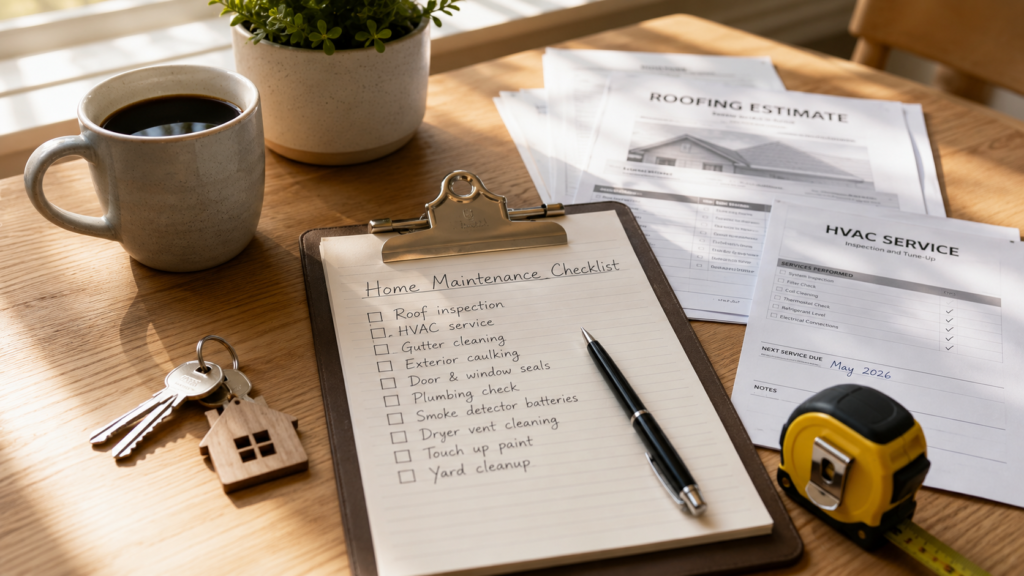
Start with maintenance, not decoration
Before you think about anything cosmetic, take care of what an inspector is going to flag anyway:
- Roof condition
- HVAC system
- Plumbing leaks
- Electrical issues
- Foundation concerns
- Damaged siding or trim
- Broken windows or doors
Buyers are generally fine updating finishes over time on their own schedule. They are not fine inheriting your deferred maintenance.
I’ve watched this play out with sellers before: a genuinely beautiful kitchen doesn’t distract a buyer from a roof that’s clearly on borrowed time. Buyers treat mechanical systems as non-negotiable and cosmetic finishes as something they can personalize later. Those same issues can also influence a home’s appraised value, especially when they point to deferred maintenance rather than normal wear. If you’re curious about how appraisers evaluate a home’s condition, read my guide on what an appraiser actually looks at. Fix the boring stuff first.
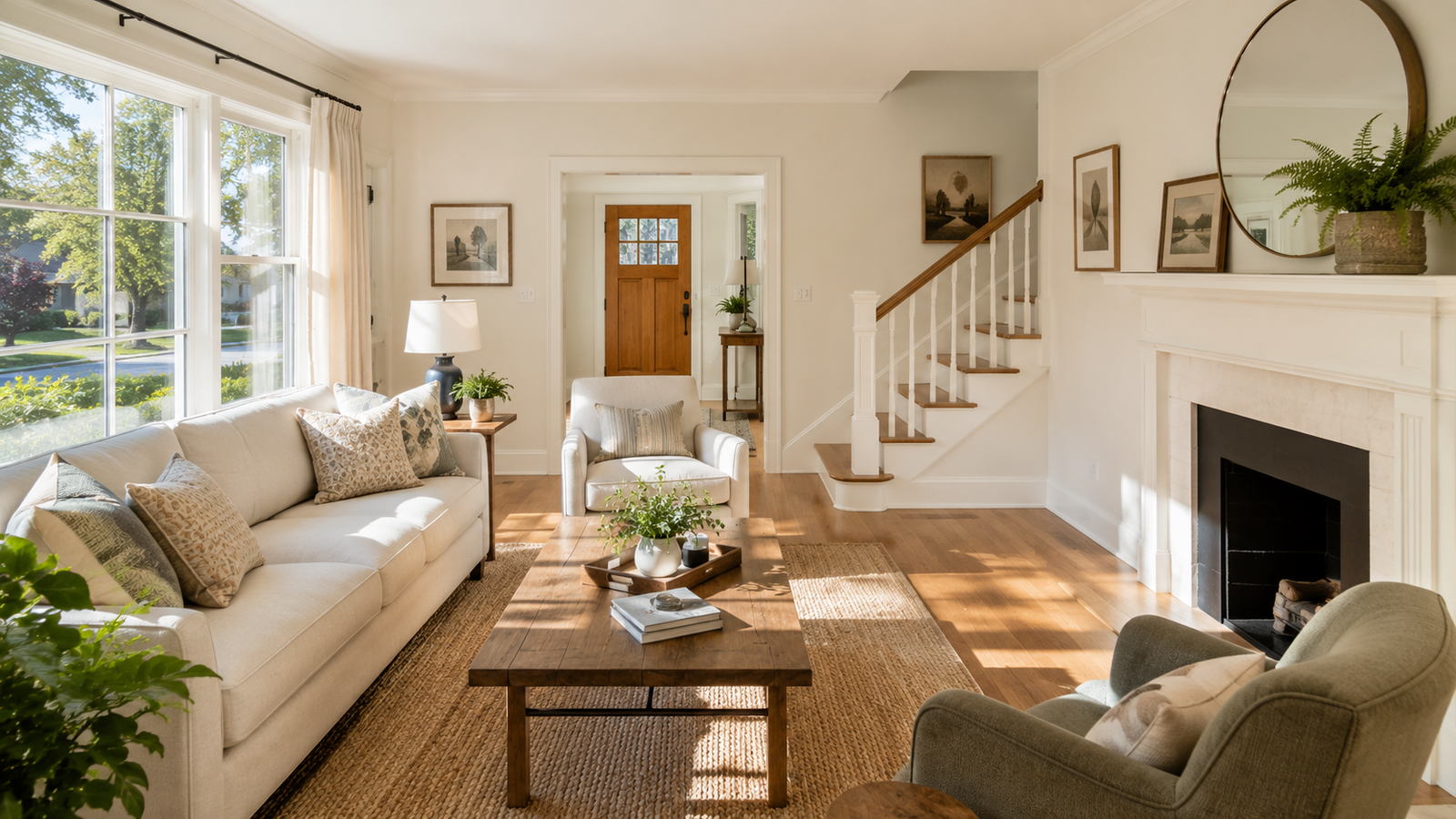
Paint is still one of the best returns you can get
If I had to pick one project before listing, it’s paint. Neutral, warm tones make rooms read cleaner, brighter, bigger, and more move-in ready, and they photograph well, which matters more than ever since most buyers are scrolling through photos online before they ever walk through your door.
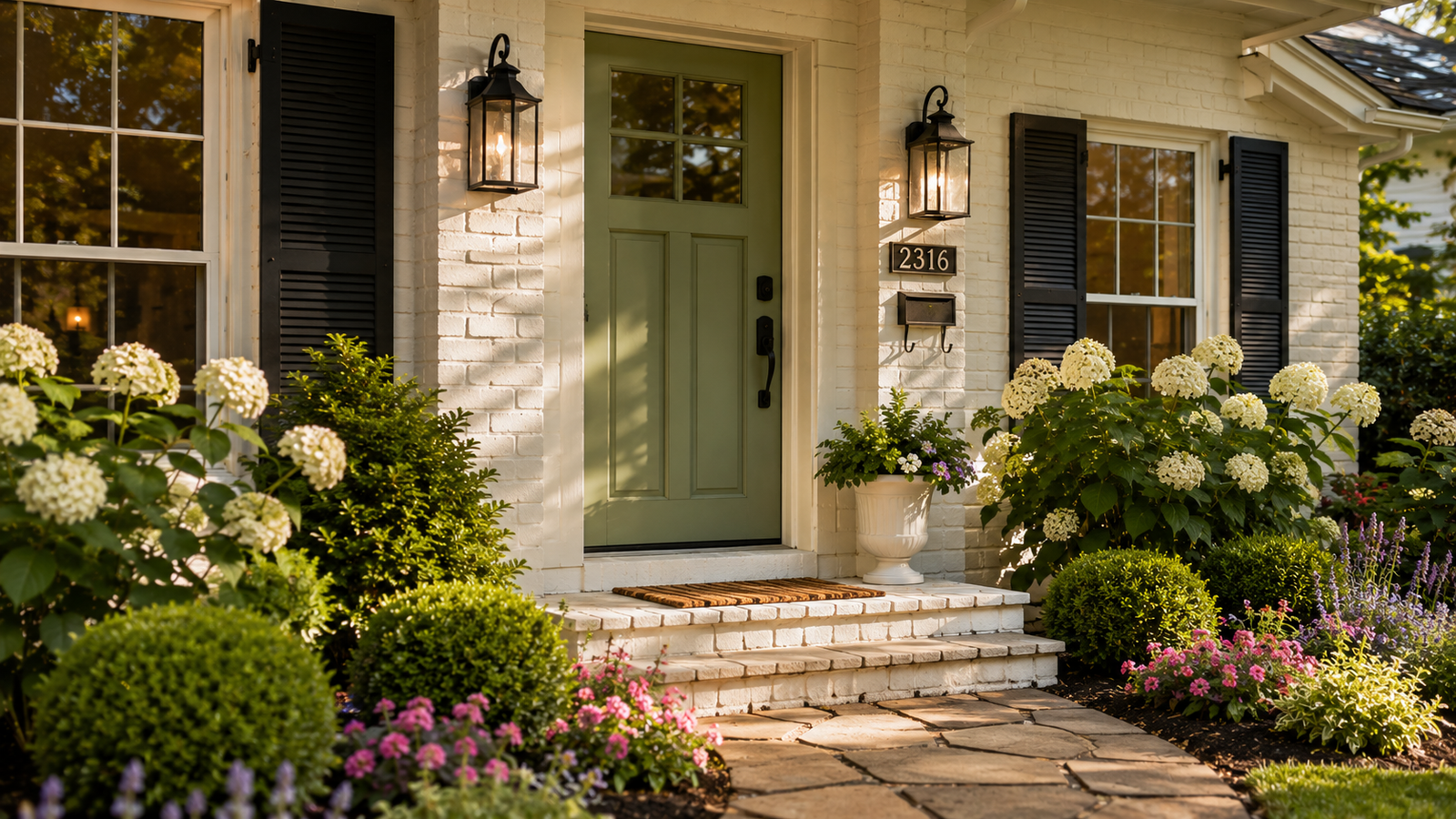
Curb appeal punches way above its cost
This isn’t just a hunch, it’s one of the most consistent findings in the annual Cost vs. Value report published by Remodeling Magazine: exterior projects top the rankings nearly every year, often returning 100% or more of what you spend, because buyers form an opinion before they’ve even reached your front door.
- Fresh mulch
- Trimmed shrubs
- A pressure wash
- Clean windows
- Updated exterior lighting
- A freshly painted front door
- New house numbers
- A healthy lawn
All relatively cheap. All disproportionately effective.
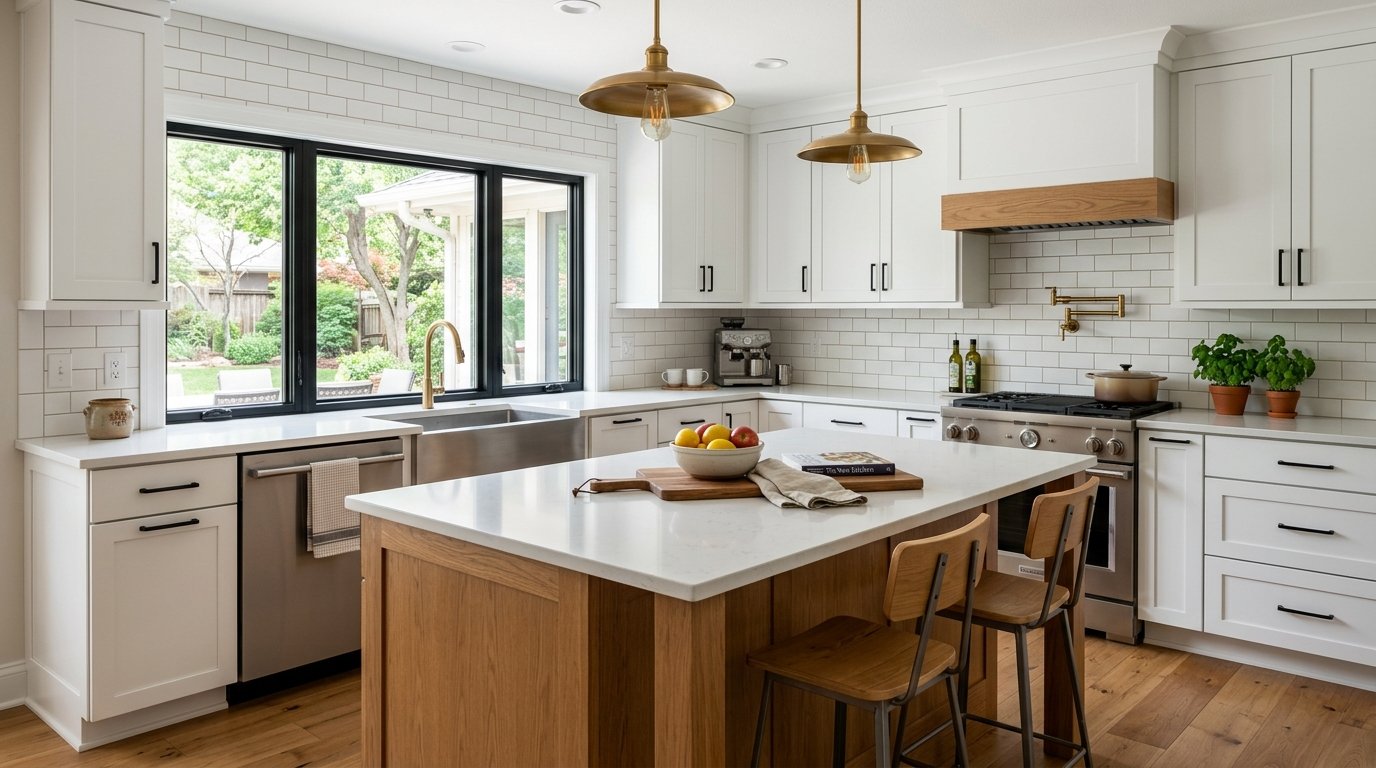
Small kitchen updates usually beat a full gut job
Kitchens sell homes, but that doesn’t mean you need to replace every cabinet. Many sellers see strong results updating:
- Cabinet hardware
- Faucets
- Light fixtures
- Backsplash
- Paint
- Countertops, when it makes sense
According to that same Cost vs. Value data, minor kitchen refreshes like these typically return somewhere in the 70-90% range at resale. Full, high-end remodels tell a very different story: major kitchen overhauls tend to return closer to 40-55% of what you put in. A $75,000 kitchen almost never adds $75,000 to your sale price.
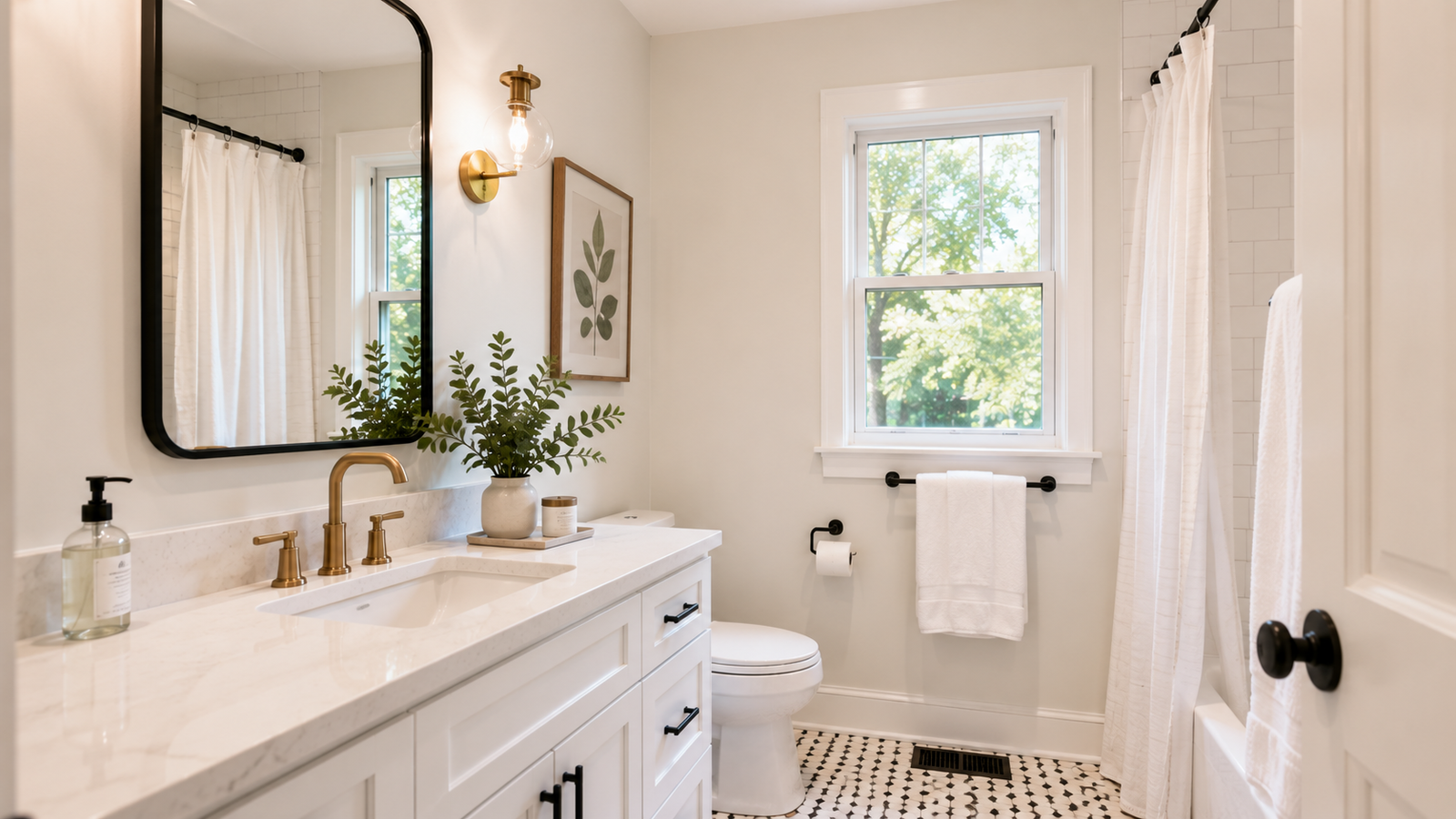
Bathrooms follow the same pattern
Updated fixtures, better lighting, a new mirror, fresh hardware, and re-caulked grout can transform how a bathroom feels for a fraction of what a full rebuild costs. If the bathroom functions fine and just looks dated, that’s a cosmetic problem, not a demolition problem.
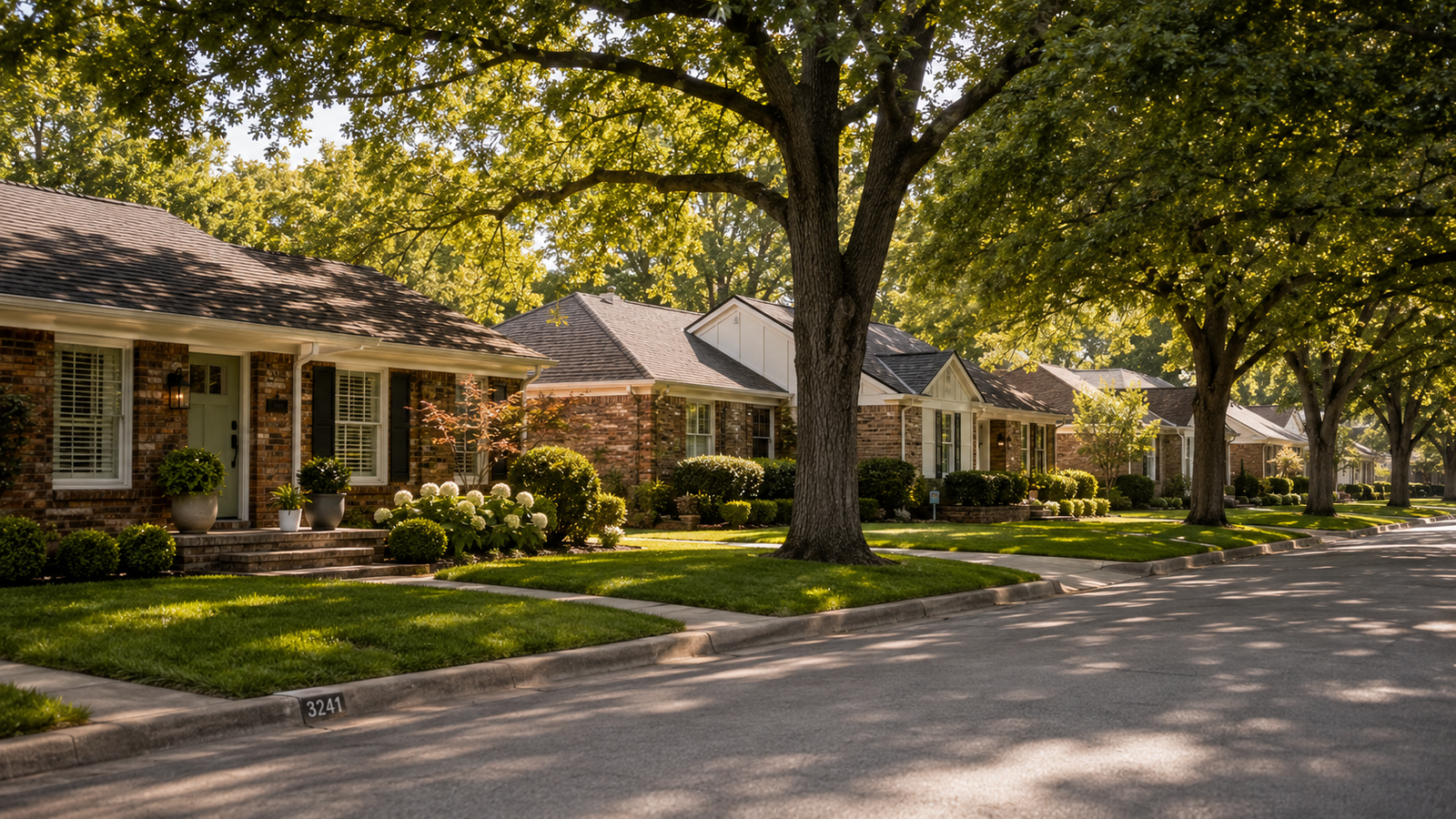
Every neighborhood has a ceiling, and it’s worth knowing where yours sits
Before spending big, look at what similar homes nearby actually have. What are buyers at this price point expecting? Are you bringing your home up to the neighborhood standard, or well past it? You’re not trying to own the nicest house on the block. You’re trying to make sure your home competes with the ones buyers are cross-shopping it against, and a renovation that pushes you meaningfully above your neighborhood’s ceiling is money that mostly stays with you, not in your sale price.
There’s an important exception to know about, though: this rule assumes the value is in the house. In some areas, it’s really in the land. Brookside is a good local example. I’ve watched builders pay well into the six figures for older homes there with no intention of keeping the structure at all, they’re buying the lot, tearing down what’s on it, and building new. If your home sits in a neighborhood like that, your renovation math looks completely different, since a buyer weighing your updated kitchen against a builder’s teardown offer isn’t making an apples-to-apples comparison.
The opposite pattern is also worth watching for. In some neighborhoods, especially ones that saw disinvestment for years, individual investors are buying distressed homes, fully renovating them, and reselling at a meaningfully higher price point. Enough of that happening on the same streets gradually raises what the whole area can support, comps a year from now can look different than comps today. If you’re in a neighborhood going through that kind of turnaround, it’s worth pricing and renovating based on where the market is heading, not just where it’s been.
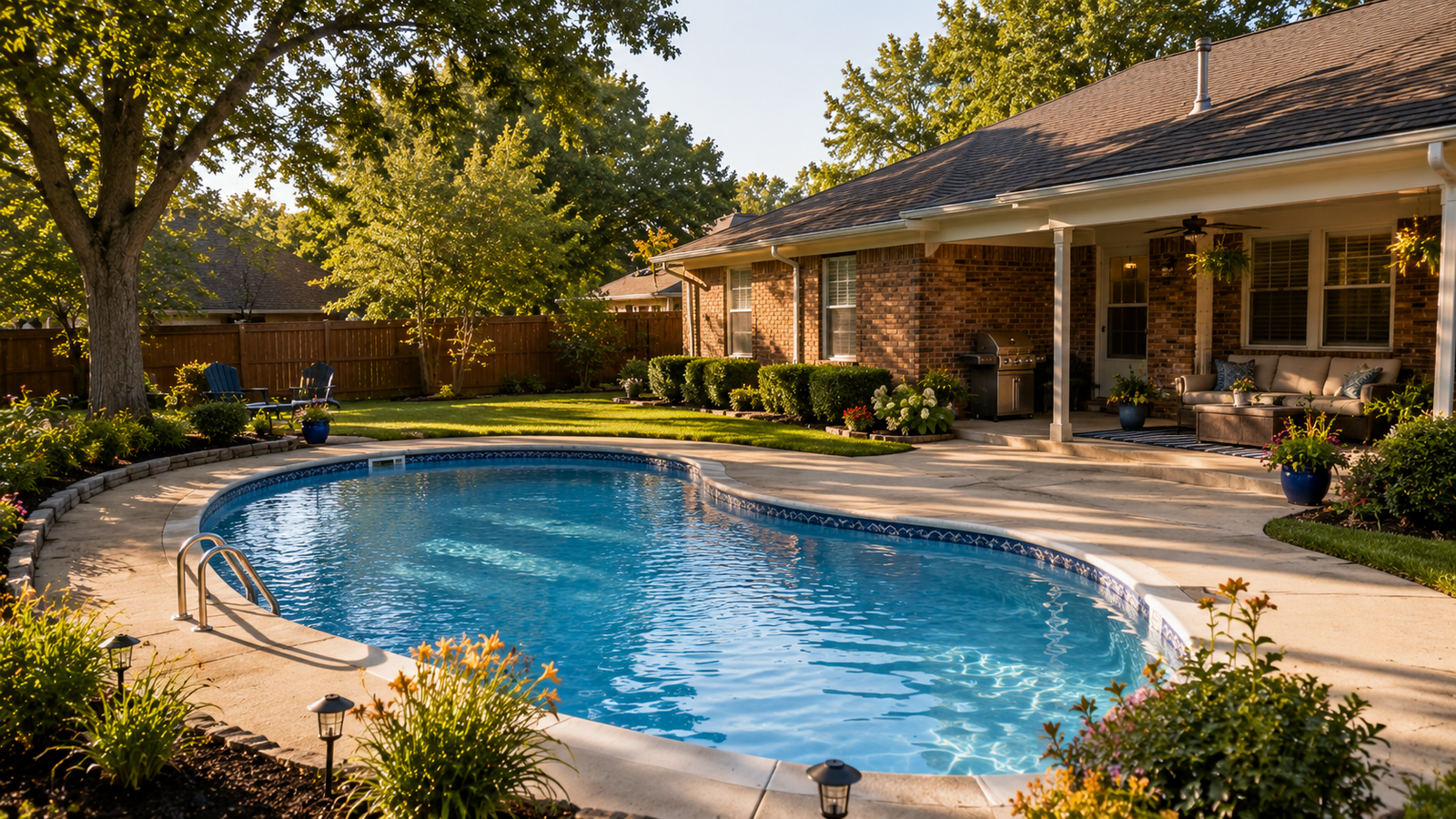
What about pools?
Pools are a genuinely interesting case in this market. Compared to places where an in-ground pool is nearly standard, they’re a relatively small slice of Tulsa-area inventory. That doesn’t mean nobody wants one; it means the buyers who do often have fewer homes to choose from.
I’ve noticed appropriately priced pool homes tend to move quickly during the spring and early summer, whether that’s pool demand specifically, limited competing inventory, or some combination of both is hard to say without pulling the full data.
This isn’t a case for adding a pool to help your home sell. A new pool is expensive, and it’s exactly the kind of project that only makes sense if you plan to enjoy it yourself for years first. But if you already have one, a few maintenance items are worth handling before you list, since a neglected pool can scare off exactly the buyers who’d otherwise pay a premium for it:
- Resurface if it’s due. Plaster or pebble finishes that are stained, rough, or visibly aging read as a future expense to a buyer, not a feature.
- Get the equipment checked. A pump, filter, or heater that’s failing (or close to it) is one of the first things a buyer’s inspector will flag. A quick service call and a receipt showing everything’s in working order goes a long way.
- Confirm the fence and safety features meet code. Pool fencing requirements can trip up a sale if they don’t check out, and it’s much easier to fix before a buyer’s inspection raises it as a concern.
- Address any leaks. Even a slow one is a red flag once it shows up in an inspection report, and it’s usually far cheaper to fix now than to negotiate over later.
- Clean and balance the water before every showing. A green, cloudy, or algae-stained pool undoes all the goodwill a nice pool would otherwise create, and it’s one of the cheapest things on this list to get right.
- Keep your service records. If you’ve had a pool company maintaining it, those records are genuinely persuasive to a buyer; they show the pool’s been cared for, not just installed and ignored.
Buyers who want a pool are often making it a top priority in their search. A well-maintained one can be a real selling point. A poorly maintained one just becomes one more thing on the inspection list.
The bottom line
Before you spend real money, walk through your home the way a buyer would. Fix what’s broken first. Then focus on updates that improve how the home presents, without pushing it past what your neighborhood actually supports, or, if your neighborhood’s ceiling is actively moving, without ignoring which direction it’s headed.
Every home and every street is a little different. If you’re getting ready to sell in the Tulsa area, I’m happy to walk through your home with you and talk through what’s actually likely to pay off, and what you can probably skip.

Shannon Almy
REALTOR-ASSOCIATE®
Erin Catron & Company | The Catron Team
Tulsa-area Real Estate Agent with an analytics background. Lifelong Oklahoman, Travel Planner, content creator, furniture restorer, and thrift-store regular.
For Sellers
Tulsa Home Seller Tips
Selling a home comes with more decisions than most people expect, pricing, prepping, timing, negotiating. Here’s honest, straightforward guidance for every stage of the process, from your first conversation about listing to the day you hand over the keys.
-
What Does an Appraiser Actually Look At?
Tulsa Home Appraisal Guide What Does an Appraiser Actually Look At? (And What the “Tulsa Lean” Has to Do With It) If you’ve sold a home before, you know the moment: your buyer’s loan is…
-
What I Keep Noticing About Summer House Hunting
What I keep Noticing About Summer House Hunting (And Why It Has Nothing to Do With Square Footage) Something I’ve been thinking about a lot this summer while I’m out showing homes: buyers aren’t really…
More Home Selling Tips
Your Monthly Guide To Tulsa Real Estate & Local Life
Stay Connected To What’s Happening Across Tulsa
From market trends and neighborhood updates to local events, new restaurants, and community news, receive a monthly roundup of what’s happening throughout Tulsa and Green Country.
Whether you’re actively buying or selling, planning a move in the future, or simply enjoy staying connected to the community, our newsletter brings together local real estate insights and the stories shaping life across northeastern Oklahoma.
✓ Tulsa market updates
✓ Community spotlights
✓ New restaurants and businesses
✓ Open houses and local events
✓ Neighborhood and development news
Market Reports & Local Life
WHEREVER YOU ARE IN THE PROCESS
Let’s Talk About Your Goals
Whether you’re buying, selling, relocating, or simply planning ahead, every successful move starts with a conversation and a clear strategy.
I’d love to learn more about your goals and how I can help you navigate your next move with confidence.
Shannon Almy
REALTOR-ASSOCIATE®”
The Catron Team
Phone
918-206-9285
5334 East 43th Street
Tulsa, OK 74135


Leave a Reply