
OWNING WINS LONG-TERM
Here’s How to Know You’re Ready
(And When It’s Smart to Wait a Little Longer)




Should You Rent or Buy? Here’s How to Know You’re Ready.
Buying a home is one of the best long-term financial moves you can make. Long-term, it builds wealth in a way renting simply can’t. But “long-term” is the key word, and knowing whether you’re ready right now matters just as much as knowing that owning is the goal.
Here’s how I’d think through it.
The case for buying: what you’re actually building
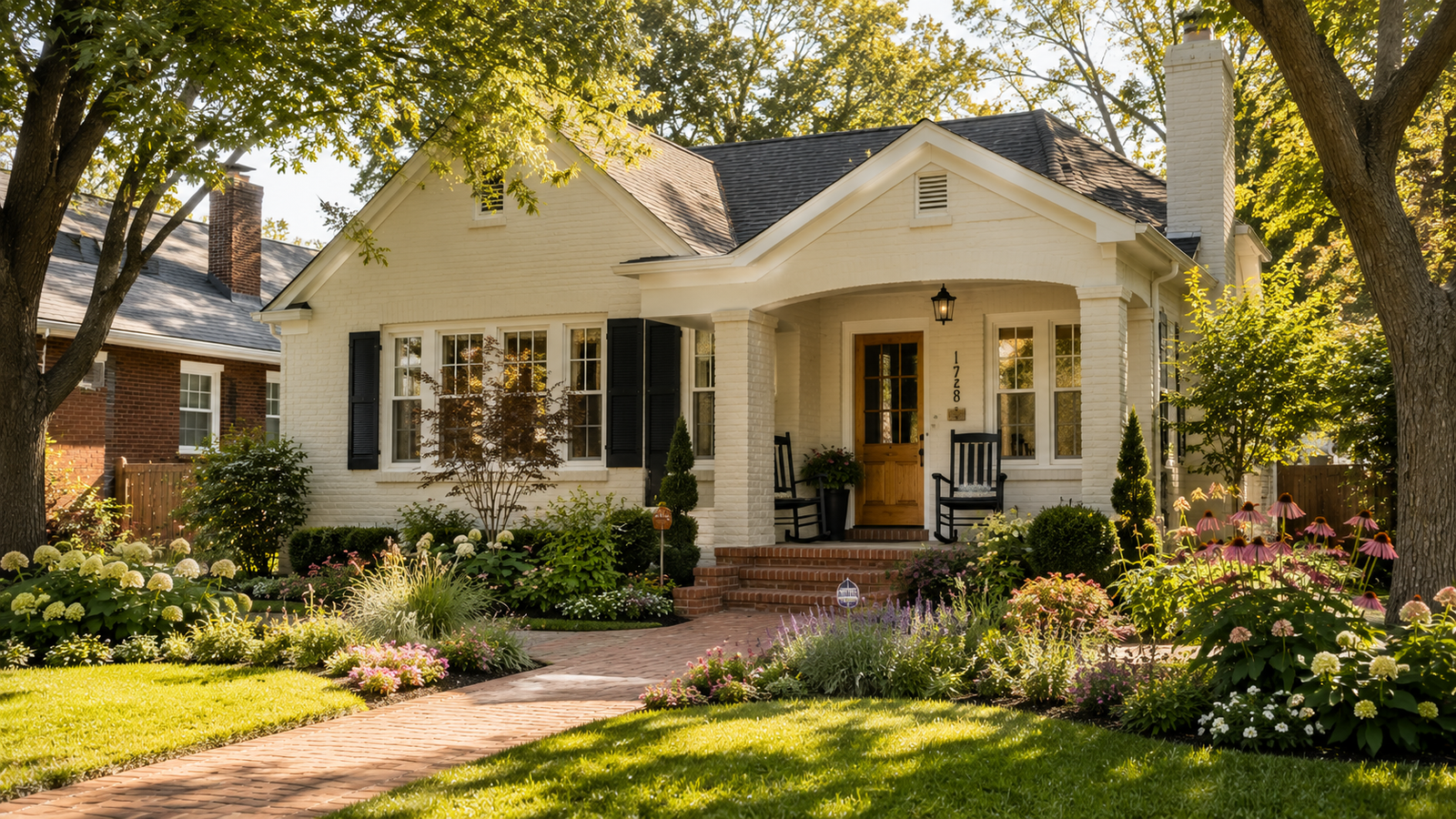
With a fixed-rate mortgage, your principal and interest payment is locked in the day you sign, for the entire life of the loan. Not an adjustable rate that can climb later, a truly fixed number. Taxes and insurance can still shift a little over time, but your actual payment doesn’t move. Rent doesn’t work that way. It climbs basically every renewal, for as long as you rent, with no ceiling and nothing to show for it once you move out.
At the same time, every mortgage payment you make builds equity, which is really just another word for ownership. It’s the same thing wealthy families have historically held more of than anyone else: a real, appreciating asset instead of a recurring expense that disappears the moment it’s paid.
And home values genuinely tend to go up over time. Historically, U.S. home prices have appreciated at an average of around 4-5% per year over long stretches of time, and looking at just the past decade, national home values have nearly doubled. Held long enough, real estate has been one of the most consistent wealth-building tools available to everyday families, not just people who were already well off.
That’s the real case for buying: a fixed-rate payment you get to freeze in place, and an asset that tends to build value the longer you own it, in a world where almost nothing else works that way.
So when does it make sense to wait?
Buying is the goal. But timing matters, and there are a few honest signs it’s smarter to rent a little longer first.
You’re not sure how long you’ll stay.
Buying comes with real upfront costs, closing costs, inspection fees, the down payment itself, and those costs need time to be worth it. If there’s a real chance you’ll relocate for a job or a relationship within the next few years, renting keeps you flexible without eating those costs twice.
You’re carrying high-interest debt.
Credit cards or car loans at high interest rates affect your debt-to-income ratio, which affects both whether you qualify for a mortgage and what rate you’re offered. Sometimes the fastest path to a better mortgage is knocking out the expensive debt first, then buying from a stronger position.
You don’t have savings set aside beyond a down payment.
Here’s some good news, though: you don’t need anywhere near as much as most people think. Conventional loans can go as low as 3% down for qualified first-time buyers, and FHA loans require just 3.5% down with a credit score of 580 or higher. The national median down payment for first-time buyers runs closer to 8-9%, not the 20% a lot of people assume they need. Before you start house hunting, it’s also worth understanding what happens after you’re pre-approved and the common mistakes that can delay closing.
And if even that feels out of reach right now, there’s more help available than most buyers realize.

Don’t let the down payment scare you off – there’s real help available
This is the piece that keeps a lot of otherwise-ready buyers on the sidelines longer than they need to be: the belief that you need a massive pile of cash saved up before you can even start looking. You don’t, and Oklahoma specifically has some genuinely strong programs built for exactly this.
The Tulsa County First Home Program offers a 30-year fixed-rate mortgage paired with forgivable assistance toward your down payment and closing costs, for first-time buyers, and for veterans or buyers in certain target areas even if it’s not their first home.
The Oklahoma Housing Finance Agency (OHFA) runs two programs worth knowing about: the GOLD program, which provides down payment assistance as a 0%-interest second mortgage with no monthly payment, forgiven over time as long as you stay in the home, and the DREAM program, a 30-year fixed-rate first mortgage that can be paired with that same down payment assistance.
Exact amounts, income limits, and other eligibility requirements shift periodically, so the specifics are worth confirming directly with a participating lender rather than relying on any number you find online. But the bigger point stands regardless of the details: real, legitimate, no-catch programs exist specifically to solve the down payment problem, and a lot of buyers who assume they’re not ready are actually closer than they think.
What you do still need beyond whatever down payment assistance covers is a cushion, closing costs, moving expenses, and the inevitable first-month surprise. If buying would wipe out your entire savings account even with assistance, that’s a sign to build a little more cushion first, not a sign to give up on buying altogether.
Your income or job situation feels unstable.
Lenders look closely at income stability, and so should you. If you’re in seasonal or contract work, brand new to a job, or genuinely unsure whether you’ll need to relocate for work, it’s worth waiting until that picture is clearer, not because you couldn’t get approved, but because the math works better once the rest of your life is a little more settled too.
The bottom line
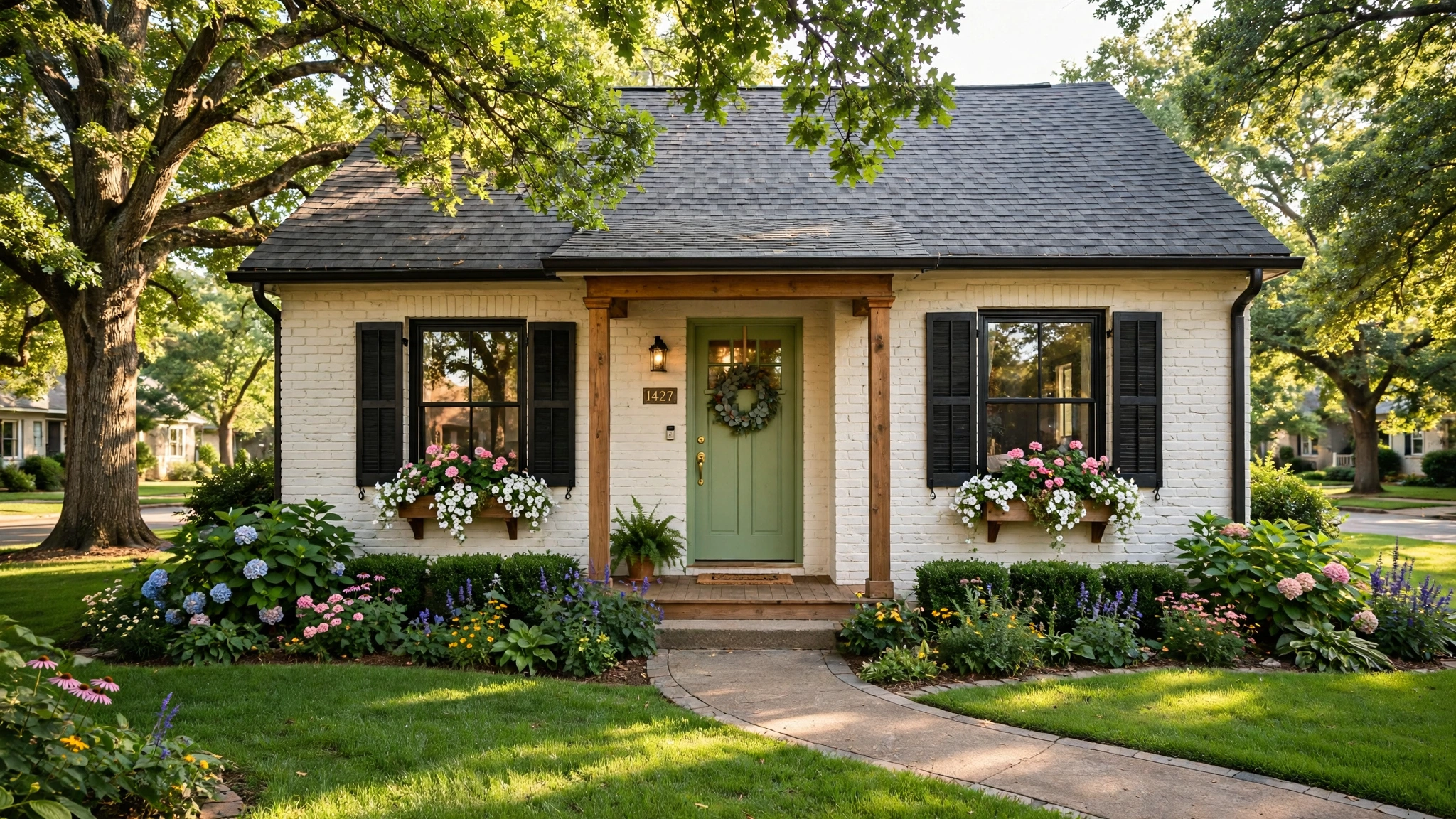
Owning is the better long-term move for almost everyone who can responsibly get there. The question isn’t really “rent or buy,” it’s “am I ready yet.” If you’re carrying expensive debt, don’t have a cushion beyond the down payment, or you’re genuinely unsure where you’ll be in a couple of years, renting a little longer isn’t a consolation prize, it’s just good sequencing on the way to owning.
If you’re not sure which loan program or assistance option fits your situation, or you just want to run your actual numbers, I’m happy to walk through it with you. My complete Tulsa Home Buying Roadmap also explains what happens after you’re ready to buy- from pre-approval and home shopping to inspections, appraisals, and closing day.

Shannon Almy
REALTOR-ASSOCIATE®
Erin Catron & Company | The Catron Team
Tulsa-area Real Estate Agent with an analytics background. Lifelong Oklahoman, Travel Planner, content creator, furniture restorer, and thrift-store regular.
For Buyers
Latest Tulsa Home Buyer Tips
Buying a home comes with more questions than any one conversation can cover, financing, timing, what’s actually worth negotiating. Here’s honest, straightforward guidance for every stage of the process, from your first pre-approval call to the day you get your keys.
-
Should I Buy in an HOA? The Rules, Costs, and Responsibilities That Come With the House
HOME BUYING ROADMAP • HOA CONSIDERATIONS Should I Buy a Home in an HOA? The Rules, Costs, and Responsibilities That Come With the House “Should I buy in an HOA?” is one of those questions…
-
Title Insurance and Title Work: What You’re Actually Paying For
HOME BUYING ROADMAP • TITLE INSURANCE Title Insurance and Title Work: What You’re Actually Paying For Why “The House Looks Fine” Isn’t the Same as “The Ownership Is Clean” By the time you’re under contract,…
-
Offer Strategies: How to Write a Strong Offer
HOME BUYING ROADMAP • OFFER STRATEGIES Offer Strategies: How to Write a Strong Offer Price Is Only One Part of the Equation When buyers hear “write a strong offer,” most immediately think about price, offering…


More Home Buying Tips
Your Monthly Guide To Tulsa Real Estate & Local Life
Stay Connected To What’s Happening Across Tulsa
From market trends and neighborhood updates to local events, new restaurants, and community news, receive a monthly roundup of what’s happening throughout Tulsa and Green Country.
Whether you’re actively buying or selling, planning a move in the future, or simply enjoy staying connected to the community, our newsletter brings together local real estate insights and the stories shaping life across northeastern Oklahoma.
✓ Tulsa market updates
✓ Community spotlights
✓ New restaurants and businesses
✓ Open houses and local events
✓ Neighborhood and development news
Market Reports & Local Life
WHEREVER YOU ARE IN THE PROCESS
Let’s Talk About Your Goals
Whether you’re buying, selling, relocating, or simply planning ahead, every successful move starts with a conversation and a clear strategy.
I’d love to learn more about your goals and how I can help you navigate your next move with confidence.
Shannon Almy
REALTOR-ASSOCIATE®”
The Catron Team
Phone
918-206-9285
5334 East 43th Street
Tulsa, OK 74135


Leave a Reply