MOVING TO TULSA, OKLAHOMA
Tulsa Is Better Than You Think
Whether you’re relocating for work, lifestyle, or affordability, I help out-of-state buyers find their place in Tulsa without the stress of navigating a new market from a distance.
Scroll to Discover

THE HONEST OVERVIEW
What Tulsa Actually Looks Like Up Close
Most people moving to Tulsa from out of state start with low expectations and end up pleasantly surprised. That’s not an accident, Tulsa has been quietly building something genuinely worth relocating to, and the national narrative hasn’t fully caught up yet.
Here’s what you actually need to know before you decide.
Why People Come – And Stay:
Cost of Living
Oklahoma ranks #1 in the nation for affordability in 2026, and Tulsa is where most people moving to Oklahoma land. The cost of living here runs roughly 14.5% below the national average across housing, groceries, transportation, and healthcare. To put that in concrete terms: a lifestyle that costs $4,100 a month in Denver runs about $2,740 a month in Tulsa. That’s over $1,300 a month back in your pocket, or $16,000 a year, doing nothing differently except living here instead of there.
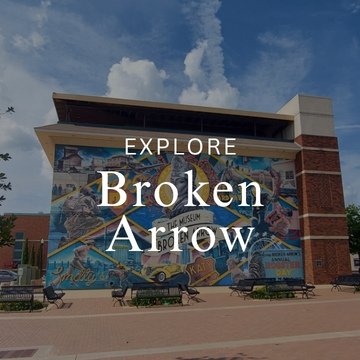
The median home price gives you space, a yard, and a neighborhood – not a condo with shared walls. And within the metro, suburbs like Broken Arrow have been consistently ranked among the top 15 best places to live in the entire country by U.S. News & World Report, a recognition that reflects the combination of affordability, strong schools, low crime, and quality infrastructure that the Tulsa metro delivers.
Financial Benefits for Veterans and Retirees
Oklahoma offers meaningful financial advantages for both retirees and disabled veterans. Social Security benefits are not taxed at the state level, and Oklahoma offers significant exemptions on other retirement income = a meaningful advantage for retirees relocating from higher-tax states. For veterans with a 100% permanent and total disability rating, Oklahoma provides a full property tax exemption on their primary residence, a benefit fewer than half of U.S. states offer at that level. For qualifying military households, the combination of low cost of living, favorable tax treatment, and veteran benefits makes Tulsa worth running the numbers on carefully before you decide.
The Honest Tradeoffs:
The Weather
Oklahoma weather is real and worth understanding before you arrive. Summers are hot — genuinely hot, consistently over 90°F from June through August. Winters are mild by northern standards but can include ice storms that shut things down briefly. Tornado season is spring and fall; most longtime residents take it seriously but not anxiously.
One thing that surprises people relocating from other parts of the country: basements are rare in Oklahoma. Soil composition makes them difficult and expensive to build, so storm shelter options vary — some homes have underground shelters, newer builds sometimes include above-ground steel safe rooms, and plenty of Oklahomans simply have a designated interior room or bathroom with no windows. Severe weather apps are non-negotiable. Knowing your shelter plan before the season hits is just part of life here.
Spring also brings significant rainfall; there’s a reason northeastern Oklahoma is called Green Country and it looks nothing like the flat brown plains most people picture when they think of Oklahoma. The rain tends to arrive as dramatic thunderstorms that roll through quickly rather than persistent grey drizzle, which means spring days can swing from sunny to severe and back again within hours. If you love a good thunderstorm from a covered porch, you’ll feel right at home. If unpredictable spring weather makes you anxious, budget some adjustment time.
More Reasons People Stay:
Arts and Culture That Surprises People
The Philbrook Museum of Art and the Gilcrease Museum are genuinely world-class institutions that would be headline attractions in cities twice Tulsa’s size. The Gathering Place – a privately funded riverfront park along the Arkansas River – has been nationally recognized as one of the best public parks in the country. The Woody Guthrie Center, the Performing Arts Center, and a thriving local restaurant and entertainment scene round out a city that punches well above its weight culturally.
A Food Scene Worth Knowing About
Tulsa doesn’t have a roster of celebrity chefs making national headlines, but it has something arguably better, a genuinely good local dining scene with real character. Brookside and Cherry Street are walkable neighborhoods packed with locally owned restaurants that hold their own against anything you’d find in a larger metro. From elevated comfort food to international cuisine, the variety is better than most people expect before they arrive. It won’t replace New York or LA, but most people who move here stop missing those options faster than they expected.
Healthcare
Tulsa’s healthcare system is a genuine strength. Saint Francis Hospital is consistently rated among the region’s top facilities, and the broader network of Ascension St. John, Hillcrest, and specialty providers gives residents access to serious medical care without driving to Oklahoma City. For retirees specifically, having quality healthcare within the metro is often a deciding factor, and Tulsa delivers on it.
Traffic Is Not Your Problem Here
If you’re coming from a major metro, the commute culture shock will be a pleasant one. Tulsa’s traffic is genuinely manageable by most city standards. You can cross town in about 20 minutes outside of rush hour. Peak commute times add maybe 15-20 minutes on the busiest corridors, and a genuine traffic incident can push that further. By the standards of Dallas, Denver, or any coastal city, it barely registers. Most Tulsans consider a 35-minute commute a long one.
More Honest Tradeoffs:
It’s Spread Out
Tulsa is a car city. Public transportation exists but isn’t a substitute for a vehicle. If walkability is a non-negotiable for your lifestyle, the specific neighborhood you choose matters enormously; Brookside and Cherry Street offer more walkability than most of the metro, but Tulsa overall requires a car.
The Job Market
Tulsa’s economy is anchored in energy, healthcare, aerospace, and finance. It’s growing and diversifying but it’s not a tech hub in the way Austin or Denver are. If your job is location-independent, Tulsa is an excellent base. If you’re job-searching on arrival, research your specific industry before committing.
Rural Land and Emergency Access
If you’re considering land or a rural property outside the Tulsa metro, and many buyers are drawn to the idea of acreage in Green Country, pay close attention to your distance from emergency services. Rural Oklahoma is genuinely beautiful, but response times for ambulances and fire services vary significantly once you’re outside city limits. Before falling in love with a piece of land, know your drive time to the nearest ER. It’s one of those practical considerations that doesn’t come up until it matters, and by then it’s too late to change your address.
Even More Reasons People Stay:
Sports and Entertainment
Tulsa doesn’t have a major professional sports franchise, but the sports culture is genuine and accessible. The Tulsa Drillers (Double-A baseball) at ONEOK Field offer a fun, affordable night out that larger market fans often find refreshingly intimate. The Tulsa Oilers (ECHL hockey) have a loyal local following. For college football, both the University of Tulsa Golden Hurricane and Oklahoma Sooners draw serious fans throughout the metro. Oklahoma State in Stillwater is about an hour away – close enough for a game day trip and lunch at Eskimo Joe’s if you’re a Cowboys fan. Tulsa may not be a major league city, but on a fall Saturday afternoon you’d never know it.
Education and Universities
Tulsa County is home to a strong higher education ecosystem – the University of Tulsa, Oral Roberts University, OSU-Tulsa, OU-Tulsa, and Tulsa Community College all serve the metro. Beyond Tulsa County itself, the region’s higher education options extend to Rogers State University in Claremore and other institutions within comfortable daily driving distance, giving students and working adults more choices than the city limits alone might suggest.
For families relocating with teenagers, one program worth knowing about before you choose where to live: Tulsa Achieves covers up to 100% of tuition and fees at TCC for any Tulsa County high school graduate with a 2.0 GPA – public, private, or homeschooled. That’s up to 63 credit hours free, essentially a free associate degree.
Tulsa Achieves is technically a “last-dollar” scholarship, meaning it fills whatever gap remains after other grants and financial aid are applied. What makes it genuinely valuable for relocating families is that there’s no income cutoff to qualify in the first place. Any Tulsa County graduate who meets the GPA requirement is eligible, whether or not they qualify for need-based aid like Pell grants. My own daughter didn’t qualify for Pell grants and still had her tuition fully covered through Tulsa Achieves, because there was no other aid for the program to net against.
The earlier in high school your child arrives in Tulsa County, the greater the benefit, funding is prorated by years of county residency. For families with college-bound kids, this is the kind of detail that can make a meaningful difference in which zip code you choose.
Even More Honest Tradeoffs:
Allergies
Oklahoma’s allergy seasons are no joke. Cedar season hits in late winter, grass pollen takes over in spring, mold spikes after the rains, and ragweed arrives in fall. It’s essentially a year-round rotation. If you’ve never had seasonal allergies before, there’s a reasonable chance Tulsa will introduce you to them. Most longtime residents have made peace with it, usually via a good allergist and a daily antihistamine. It’s one of those things locals stop noticing after a few years, but it catches relocating buyers off guard more often than almost anything else. Worth knowing before you arrive and worth asking your doctor about before you move.
The Airport
Tulsa International Airport is functional and genuinely convenient, no massive crowds, easy parking, easy security. If you’ve ever navigated MCO or LAX on a holiday weekend, TUL will feel like a gift. The experience of actually using it is one of those quiet quality-of-life wins Tulsa residents appreciate daily. TUL recently added customs capability in May 2026, with some direct international flights already operating, an exciting development for a mid-sized market. Most destinations still require a connection through Dallas, Denver, or another hub, so it’s worth checking your specific routes before relocating. But for a city Tulsa’s size, the airport punches well above its weight.
Start Remotely
Everything begins with a conversation, and that conversation can happen from wherever you are right now. We talk about your goals, your timeline, your budget, and what you’re looking for in a community. No plane ticket required for step one.
Understand the Metro
Before we look at a single listing, I help you understand how Tulsa is laid out, the different communities, the commute patterns, the lifestyle differences between areas. You make better decisions when you understand the geography of where you’re moving.
Virtual Tours and Showing
I can tour homes on your behalf, FaceTime walk-throughs, and provide detailed video and photo documentation of properties you can’t see in person. You’ll never have to make a blind offer. You’ll have eyes on the ground.
Strategic In-Person Visit
When you’re ready to get serious, we plan your in-person visit strategically, maximizing the homes you see, the neighborhoods you experience, and the time you have. One well-planned trip can accomplish what takes local buyers months of casual looking.
Write a Competitive Offer
Buying in an unfamiliar market means trusting your agent’s read of the data. I pull the comparable sales, assess the competition, and help you write an offer that’s competitive without overpaying, the same analytical approach I bring to every transaction.
Close and Get Settled
From accepted offer to closing, I coordinate across the distance so nothing falls through the cracks. I can also connect you with local vendors, inspectors, and service providers so you arrive in Tulsa with a network already started.
WHY OUT-OF-STATE BUYERS CHOOSE SHANNON
The Analyst Advantage
Relocating to an unfamiliar market is where analytical experience matters most. You can’t rely on gut instinct about a neighborhood you’ve never lived in. I give you the data to make confident decisions from a distance.
Relocating buyers don’t lose out because they chose the wrong city. They lose out because they didn’t have anyone on the ground helping them understand what they were actually buying into. That’s exactly what I’m here for.
What It’s Actually Like to Work With Me From Out of State
Distance adds a layer of complexity to buying a home that most agents aren’t set up to handle well. I am.
You’ll always know where we stand, and you’ll never feel like you’re getting information on a delay because you’re not physically here. I communicate proactively, I document everything, and I make sure you have what you need to make decisions confidently from wherever you are.
I’ll tell you when a home looks better in photos than in person. I’ll tell you when a neighborhood feels different on a Tuesday afternoon than it does at a weekend open house. I’ll tell you when a listing is overpriced for the Tulsa market even if it looks reasonable compared to where you’re coming from.
I’m Shannon Almy, a REALTOR-ASSOCIATE® with Erin Catron & Company. My job is to be your eyes, ears, and analytical brain on the ground, so by the time you arrive in Tulsa, you feel like you already know the place.

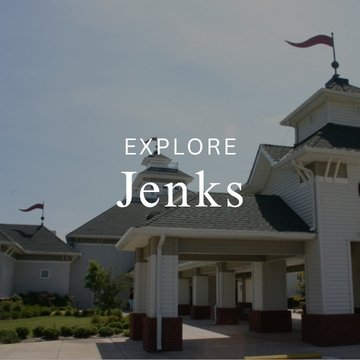
Every Tulsa Community Has Its Own Story
Tulsa isn’t one place. It’s a collection of cities and neighborhoods, each with its own personality, pace, and price point. Start exploring to find what fits how you want to live.




Cost of Living
14.5%
Below National Average
Median Home Price
$277k
Across Metro Area
Days of Sunshine
227
Average Days Per Year
The Gather Place
#1
Best Public Playground in the US (2026); Best City Park in the US (2021 and 2024)
Tulsa offers the amenities of a major metro at a fraction of the cost. For buyers relocating from higher cost-of-living markets, the math tends to be striking, and the lifestyle tends to exceed expectations.
Your Monthly Guide To Tulsa Real Estate & Local Life
Stay Connected To What’s Happening Across Tulsa
From market trends and neighborhood updates to local events, new restaurants, and community news, receive a monthly roundup of what’s happening throughout Tulsa and Green Country.
Whether you’re actively buying or selling, planning a move in the future, or simply enjoy staying connected to the community, our newsletter brings together local real estate insights and the stories shaping life across northeastern Oklahoma.
✓ Tulsa market updates
✓ Community spotlights
✓ New restaurants and businesses
✓ Open houses and local events
✓ Neighborhood and development news
Market Reports & Local Life
Relocators Ask. I Answer Honestly.
READY TO MAKE YOUR MOVE?
Let’s Figure Out If Tulsa Is Right for You
Whether you’re seriously ready to relocate or just starting to research, I’d love to have an honest conversation about what you’re looking for and whether Tulsa fits. If you’ve already decided to move, my Home Buying Guide walks through the process from financing to closing so you’ll know what to expect before you ever make an offer.
For Your Move
Helpful Reading Before You Relocate
Moving to a new city comes with a lot to figure out beyond the house itself. Here’s a mix of buyer guidance and local favorites to help you get a feel for Tulsa before you ever pack a box.
Buyer Tips
Should I Buy in an HOA? The Rules, Costs, and Responsibilities That Come With the House
By Shannon • August 2, 2026
HOME BUYING ROADMAP • HOA CONSIDERATIONS Should I Buy a Home in an HOA? The Rules, Costs, and Responsibilities That Come With the House “Should I buy in an HOA?” is one of those questions with no universal answer,…
Read more: Should I Buy in an HOA? The Rules, Costs, and Responsibilities That Come With the House
Buyer Tips
Title Insurance and Title Work: What You’re Actually Paying For
By Shannon • August 2, 2026
HOME BUYING ROADMAP • TITLE INSURANCE Title Insurance and Title Work: What You’re Actually Paying For Why “The House Looks Fine” Isn’t the Same as “The Ownership Is Clean” By the time you’re under contract, you’ve thought a lot…
Read more: Title Insurance and Title Work: What You’re Actually Paying For
Buyer Tips
Offer Strategies: How to Write a Strong Offer
By Shannon • August 2, 2026
HOME BUYING ROADMAP • OFFER STRATEGIES Offer Strategies: How to Write a Strong Offer Price Is Only One Part of the Equation When buyers hear “write a strong offer,” most immediately think about price, offering more than asking, or…
Read more: Offer Strategies: How to Write a Strong Offer
Buyer Tips
New Home Moving Checklist: What to Do During Your First Week
By Shannon • August 2, 2026
HOME BUYING ROADMAP • MOVING IN The First Week in Your New Home Simple Things to Do After Closing to Help Your Home Feel Like Home Closing day is behind you. The boxes are starting to pile up. You’re…
Read more: New Home Moving Checklist: What to Do During Your First Week
Buyer Tips
From Signing the Paperwork to Getting the Keys, What to Expect on Closing Day
By Shannon • August 1, 2026
HOME BUYING ROADMAP • CLOSING DAY What to Expect on Closing Day From Signing the Paperwork to Getting the Keys You’ve made it. The inspection is complete, the appraisal is finished, your financing is approved, and your final walkthrough…
Read more: From Signing the Paperwork to Getting the Keys, What to Expect on Closing Day
Buyer Tips
The Final Walkthrough: A Buyer’s Last Look Before Closing
By Shannon • August 1, 2026
HOME BUYING ROADMAP • FINAL WALKTHROUGH The Final Walkthrough: A Buyer’s Last Look Before Closing What to Check Before You Sign and Take Ownership By the time the final walkthrough rolls around, most buyers are emotionally finished. The boxes…
Read more: The Final Walkthrough: A Buyer’s Last Look Before ClosingMore Related Articles
Shannon Almy
REALTOR-ASSOCIATE®”
The Catron Team
Phone
918-206-9285
5334 East 43th Street
Tulsa, OK 74135